One of the most significant movements in contemporary African history is Nkrumaism. The political and philosophical ideology of Dr. Kwame Nkrumah, the first president of Ghana. Nkrumaism, which had its roots in Pan-Africanism, socialism, and self-determination, envisioned a prosperous, united Africa that was free from colonial and neocolonial rule. It was a call to action more than a political doctrine. It was a blueprint for the emancipation and empowerment of Africans via economic independence, education, and unity.
“Seek ye first the political kingdom, and all things shall be added unto you.” — Kwame Nkrumah
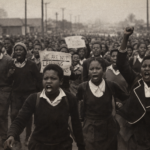
Kwame Nkrumah leads a mass rally during Ghana’s struggle for independence, inspiring a nation to rise against colonial rule.
Pan-African Foundations and Global Influence
Basically, Nkrumaism aimed to reinterpret Africa’s role in the world. Nkrumah believed that without economic freedom and cultural identity, political independence had no purpose. Influenced by Marcus Garvey, W.E.B. Du Bois, and George Padmore, he returned home with a mission. Nkrumah put these teachings to use when he returned to the Gold Coast, leading the independence movement there with the rallying call
“Self-Government Now!”
Kwame Nkrumah greets a jubilant crowd during Ghana’s Independence Day.
Under his leadership, Ghana became the first country in sub-Saharan Africa to be free of colonial rule in 1957.
Core Pillars of Nkrumaism
Nkrumaism was founded on a strong foundation of ideas. These principles included Pan-Africanism, anti-imperialism, socialism, self-reliance, and the African personality. Pan-Africanism, the idea that Africa’s strength lay in its unity, was at its core. According to Nkrumah, “Ghana’s independence is meaningless unless it is linked with the total liberation of Africa.” He believed that the colonial borders that separated African countries were arbitrary and intended to weaken and divide the continent.
His efforts resulted in the creation of the Organization of African Unity (OAU) in 1963, which served as a model for the current African Union (AU). Even in the twenty-first century, his idea of a “United States of Africa” with common defense, economic, and governance structures is still a powerful one for integration.
Anti-Imperialism and Economic Independence
Nkrumah’s philosophy was adamantly opposed to imperialism and neocolonialism. He perceived them as ongoing economic exploitation of Africa following its independence. He cautioned that foreign interests could still control Africa through trade, loans, and multinational corporations. His book Neo-Colonialism: The Last Stage of Imperialism (1965) highlighted the need for Africans to control their resources and industries.
Nkrumah used socialism, an economic system that mirrored traditional African communal values, to combat neocolonialism. He believed socialism provided a way to achieve equality and prosperity for all. Early modernization in Ghana under his leadership included the construction of factories, schools, and infrastructure projects like the Volta River Dam, all of which were intended to industrialize the country.
The Volta River Dam, a cornerstone of Kwame Nkrumah’s vision, stands as a symbol of Ghana’s push toward industrialization and energy independence.
Education and Self-Reliance
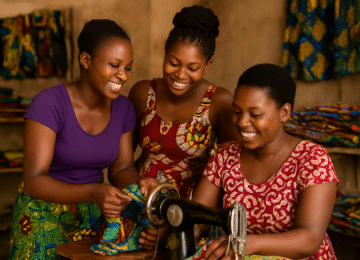
The great leader believed that self-reliance was necessary for true independence. He advised Africans to rely less on foreign assistance and more on their own abilities, resources, and inventiveness. The foundation of his self-reliance strategy was education. He wanted to raise a generation of capable, self-assured Africans who could guide their nations into a new era of development, so he made significant investments in schools and universities. He believed that education was the basis for liberation as well as its weapon.
Students in Ghana benefit from expanded access to education under Kwame Nkrumah, whose reforms prioritized literacy, national development, and intellectual growth.
The African Personality and Cultural Pride
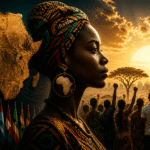
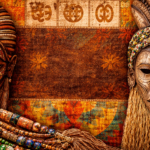
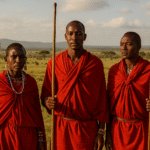
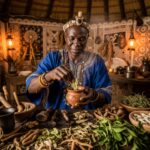
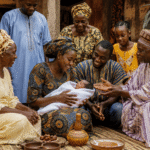
The philosophy celebration of the African individual was arguably its most soulful feature. Nkrumah thought that feelings of inferiority had been left behind by colonialism, which had harmed Africa’s sense of identity. He encouraged pride in African languages, art, customs, and culture in order to restore dignity. Nkrumaism was not only political; it was also psychological and cultural, a movement that aimed to restore African unity and self-esteem by rediscovering cultural traditions. Across the continent, this cultural awakening became a potent component of post-colonial identity.
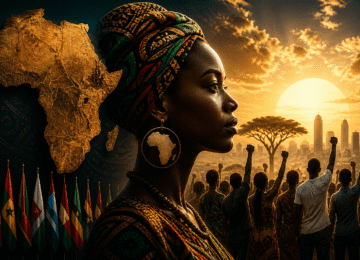
A vibrant celebration of African cultural identity inspired by the vision of Kwame Nkrumah, reflecting pride, unity, and the enduring spirit of Pan-Africanism.
Challenges and Legacy
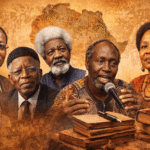
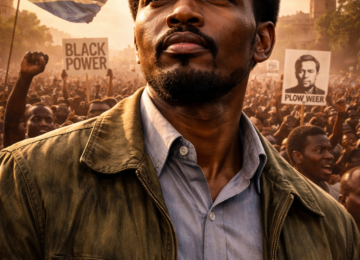
Nkrumaism had significant challenges in spite of its lofty goals. While Nkrumah’s Pan-African activism alarmed Western powers, his concentrated power and massive economic projects created political opposition at home. Tragically, his revolution came to a halt in 1966 when he was on a diplomatic mission and overthrown in a military coup. But his thoughts persisted. Leaders like Thomas Sankara, Julius Nyerere, Patrice Lumumba and to some extent Amilcar Cabral adopted his message of independence, socialism, and unity throughout Africa.
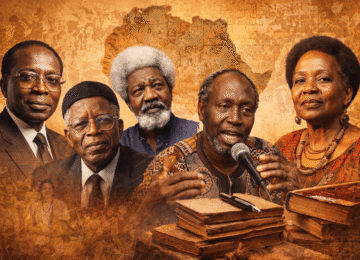
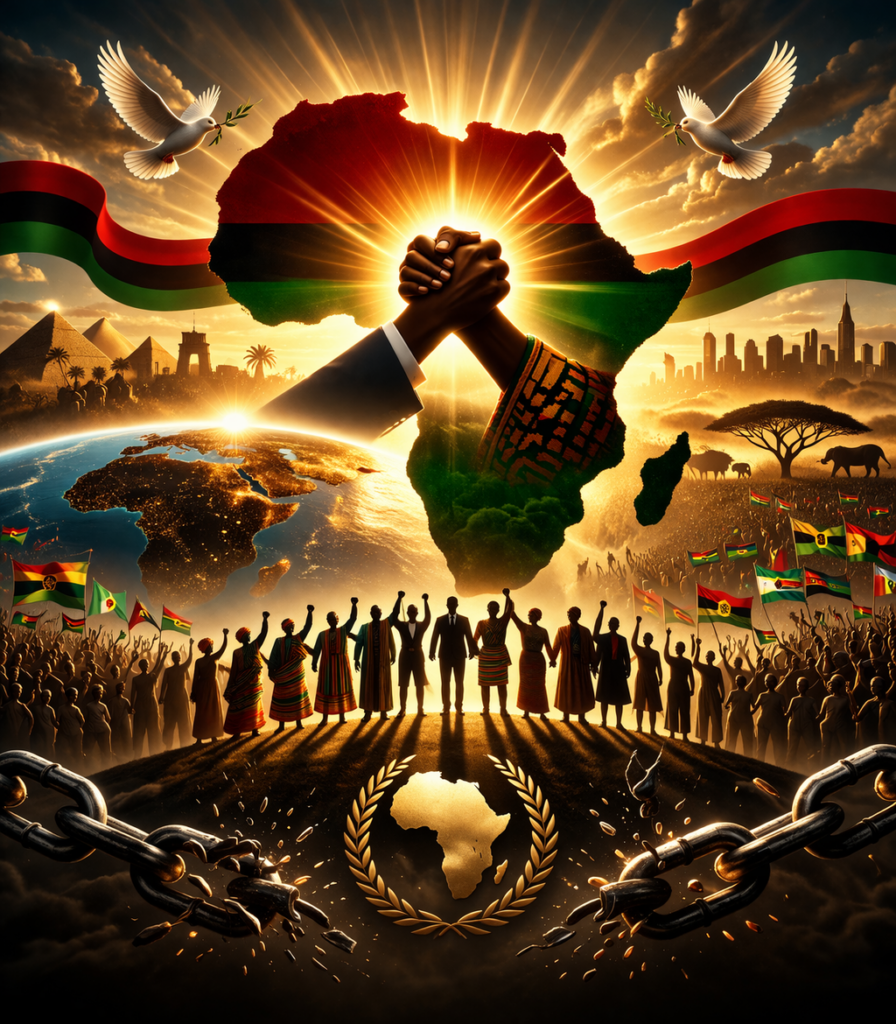
A powerful visual tribute to the enduring influence of Kwame Nkrumah, highlighting African leaders who carried forward the vision of unity, liberation, and Pan-Africanism.
Nkrumaism’s Enduring Spirit
Conclusively, Nkrumaism was a holistic vision for the liberation and rebirth of Africa, much more than just a political ideology. Kwame Nkrumah provided a path to real independence and self-determination by fusing socialism, Pan-African unity, and cultural pride. Despite the brief duration of his leadership, his principles still influence the political consciousness of the continent. As a living philosophy and historical legacy, Nkrumaism serves as a reminder to Africans worldwide that their strength is found in their pride in their common identity, unity, and independence.
The Pan-African flag, a powerful symbol of unity and liberation, reflects the ideals of Kwame Nkrumah and the broader vision of African solidarity and self-determination.
Authoritatively enhance premium products rather than economically sound web services. Conveniently reconceptualize cost effective human capital rather than proactive catalysts…































Pingback: Emperor Menelik II: The Architect of African Independence - Real African Diary