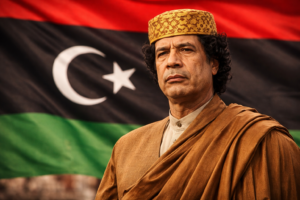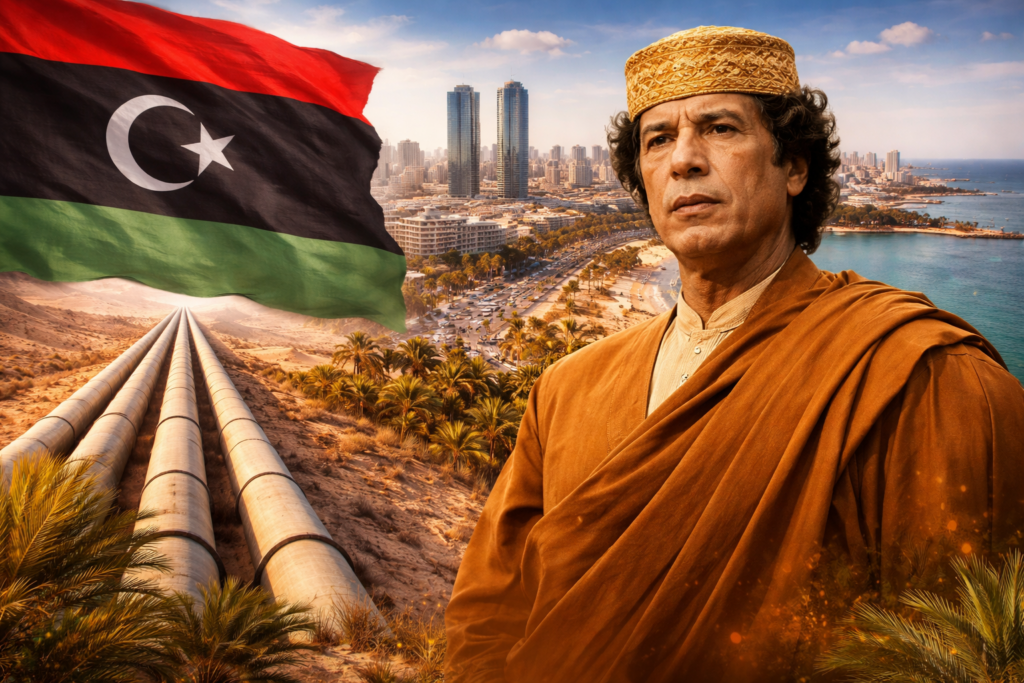

Muammar Gaddafi is usually portrayed in history as either a visionary whose hopes for Libya and Africa were cut short or as a despot who selfishly clung to power. The truth, however, lies somewhere in the middle for millions of Libyans. His nearly 42 years in power left a complex legacy that was characterized by harsh authoritarianism, audacious goals, and unquestionable progress. Gaddafi was more than just a ruler to many in Africa and the Middle East. He was a leader who dared to envision an oasis of hope in the middle of the desert and a symbol of freedom from Western domination.
A Nation Transformed
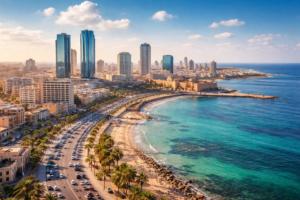
Under King Idris I, Libya was a destitute desert nation with little to show for its enormous oil wealth. This changed when Gaddafi took over in 1969. In just ten years, the nation’s appearance completely changed. He expelled foreign bases, nationalized oil, and used the proceeds to fund infrastructure, housing, schools, and hospitals. Libyans benefited from free healthcare and education and soaring literacy rates. The benefits were virtually unheard of in much of Africa and the Arab world at the time. It is impossible to ignore this change. Libya rose from poverty to prominence under Gaddafi. By the 1980s, it was among the most developed countries in Africa.
Notwithstanding any objections, he provided his people with access to resources that had previously been controlled by local elites and colonial powers.
The Dreamer of Africa
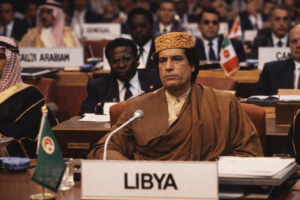
Gaddafi’s greatest strength was his vision, as he was an Arab nationalist inspired by Nasser, though he later embraced pan-Africanism. He imagined a continent united under one government, one currency, and one military force. Although his demands for a “United States of Africa” may have seemed impractical to some, they were significant. He helped newly independent countries, funded liberation movements, and made the world realize that Africa was more than just a playground for Western interests.
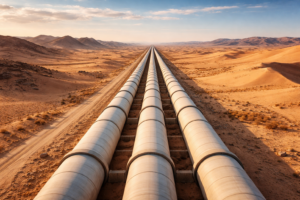
He had the willingness to challenge nature itself, something demonstrated by projects like the Great Man-Made River which was a bold plan to bring fresh water across the desert. Despite his eccentricities, Gaddafi had a big vision and a strong belief in African independence. Many people viewed him as a leader who was not scared to take on superpowers, and found resonance in that belief.
The Cost of Control
However, there were some dark sides to Gaddafi’s heaven. Many people lived in fear, political opposition was crushed, and dissenting voices were silenced. He was ultimately in charge of his Jamahiriya system, which was proclaimed to be governed by the people. Although he offered tangible advantages, he insisted on complete allegiance. Those who disobeyed him suffered the consequences. His reputation was further damaged on a global scale by his association with terrorism and the 1988 Lockerbie bombing.
Due to the isolation caused by these associations, Libya was subject to crippling sanctions in the 1990s. Eventually, Gaddafi attempted to mend fences with the West, but by that time, the “dictator” narrative had become ingrained in international discourse.
The Fall and Aftermath
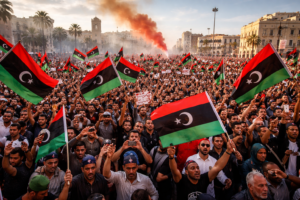
Gaddafi clung to power when the Arab Spring reached Libya in 2011. He refused to step aside, and NATO’s intervention sealed his fate. His brutal death marked the end of an era. However, what followed was not freedom and prosperity but chaos. Libya was broken into rival governments, militias, and warlords. There were foreign powers meddling for control of its oil wealth. For many Libyans, the post-Gaddafi years have been a nightmare worse than his rule.
The occurrences beg an unsettling question: Was Libya better off under Gaddafi’s “dictatorship” than it is in its current state of lawlessness? The answer is yes for some. Stability, security, and dignity are more important than the instability of never-ending conflict. This is regardless of how strictly they are regulated. Gaddafi’s supporters argue that at least under his rule, Libya was independent, cohesive, and full of hope, while his detractors claim that his repression of pluralism planted the seeds for today’s collapse.
Echoes of an Oasis
Muammar Gaddafi was far from perfect. He had serious flaws, was authoritarian, and occasionally cruel. However, he was also a visionary who gave his country pride and identity. He transformed oil wealth into social advancement, and dared to envision a united Africa. Although his Libya was far from a paradise, many now view it as an oasis of hope lost too soon. It is incomparable to the emptiness that followed his downfall. He will still be harshly and possibly unfairly judged by history. For better or worse, ambition, independence, and the belief that Africa should have the power to determine its own fate are all part of Gaddafi’s legacy.
Even with its flaws, that vision is important.