Introduction
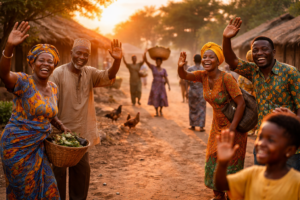
In Africa, a greeting is not just an act of courtesy but a symbol of warmth and respect that connects people from different places. From a warm handshake to a clap of hands, greetings in Africa have meanings much deeper than just words. These greetings are not just an expression of welcome but rather are signs of recognition of another person and recognition of human connections.
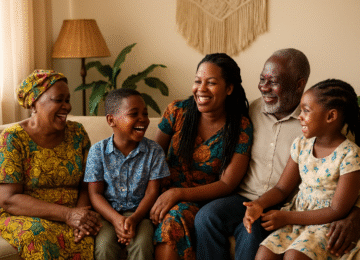
The manner of greeting in Africa varies depending on the age and relationship between the parties involved. The act of greeting someone in Africa involves inquiring about one’s health and that of the family as a sign of showing care and concern. Although greetings may vary from one place to another, they all have similar purposes of fostering unity and friendship among people in Africa.
More Than Manners; It’s Identity
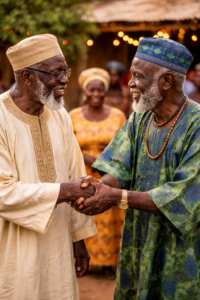
In most of the African cultures, the practice of greeting forms an integral part of the day-to-day activities and does not involve rushing through it or being done out of formality. Greeting involves expressing respect for other people, acknowledging their dignity, and building stronger social ties within the community. “I see you, I respect you, you are part of my world” is what is expressed by the act of greeting properly. Conversations and business discussions are preceded by asking how other people are and about their health and welfare.
The Zulu people greet each other by saying “Sawubona” which means “I see you”. The customary response would be “Ngikhona” which means “I am here.” This act symbolizes a whole philosophy among the Zulu people that the very existence of individuals is confirmed by the acknowledgment of other people. The act of greeting among the Africans expresses the idea of their philosophy that humanity rests in relations and connections and not on individualism.
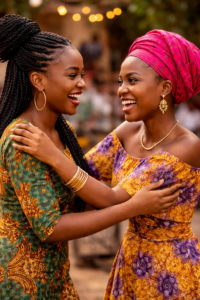
Ritual and Respect
Greetings in Africa vary from region to region but are all based on the culture of showing respect and courtesy to others. In Nigeria, the young people may kneel or bow a little bit while greeting older people as a sign of respect and humility. In Ethiopia, people may kiss cheeks several times or pat their shoulders, thereby strengthening the bonds between friends or relatives. In many rural areas of Kenya, one can start any conversation only after saying “Habari ya asubuhi?” (How is your morning?), then asking about one’s family, health, or trip.
These traditions go beyond mere politeness because they emphasize some of the values that have long been a cornerstone of African culture, namely the respect for elders, appreciation of community life, and awareness of one’s place in society. It is in the process of greeting people that the strong relationships are built, peace and harmony are maintained, and people are reminded of the fact that human relations matter more than haste.
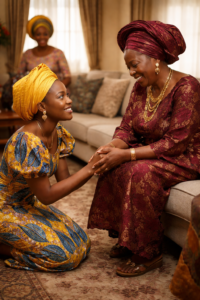
Connection Before Conversation
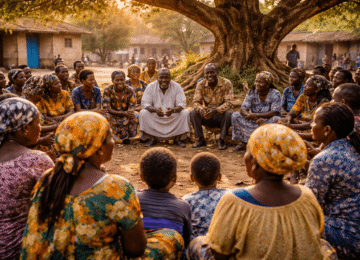
In most African societies, people do not jump into business, negotiations, and discussions until they have taken a few moments to greet each other. Greetings are exchanged first in order to build trust, show respect, and create the human element before engaging in anything else. When people meet friends, neighbors, or strangers, taking the time to inquire about their well-being and that of their family is seen as courteous and considerate. It shows that the relationship takes priority over whatever business needs to be done.
It is a lesson in patience, empathy, and emotional intelligence. It tells people that in every discussion, the first thing to do is to acknowledge the humanity of the person you are talking to and not to get lost in the business of the meeting. In this modern-day world, where most interactions involve a quick exchange of information and where speed is of the essence, most Africans still practice this custom as an expression of their culture.
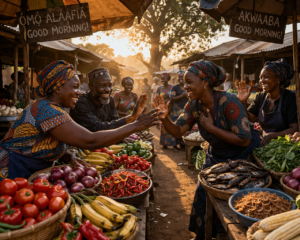
The Language of Unity
Even though African greetings may vary in terms of language, gestures, and culture, their primary function is the same – that of fostering human relations. No matter how African people greet each other – by shaking hands, bowing, hugging or simply saying something nice, they always remember that everybody is connected in one big community. All greetings convey respect, hospitality and a readiness to treat other people with respect before anything else.
The essence of greetings in Africa can be explained using the idea of Ubuntu, which is the Bantu philosophy that can be translated from Zulu as “I am because we are.” According to Ubuntu, people’s identities are formed through their relationships with other people; therefore, compassion, kindness, and respect are the necessary aspects of living in a community. African greetings are the embodiment of the idea of Ubuntu, turning any greeting into a form of acknowledgment. It can be concluded that community starts with the very act of greeting a person.
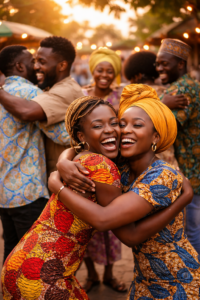
Conclusion
Understanding African greetings is tantamount to understanding the very essence of the culture in Africa. Going beyond greetings, African greetings are traditions full of the values of respect, courtesy, and kinship. Each handshake, bow, embrace, or verbal greeting demonstrates the understanding that connections are more important than speed and that everyone deserves a respectful greeting.
As many conversations are initiated in a hurried manner, African greetings help to realize the need to start from humanity. People are taught that a good relationship can only begin after one has been recognized first before any other thing like discussion or work is done. The next time you will say “hello,” you will learn that greetings do not just initiate a conversation, but they build trust, create communities, and affirm our common humanity.