







































Introduction
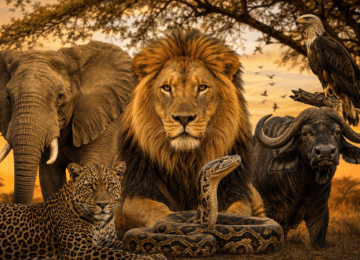
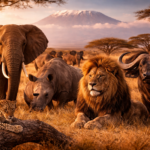
The spirituality of Africa has always acknowledged the close relationship between humankind, nature, and spirits. In Africa, animals are not considered mere living beings but regarded as sacred beings that act as messengers from the spirit world, guardians, ancestral spirits, and even as manifestations of divine energy. In the context of African mythology, sacred animals possess spiritual power, represent moral teachings, and uphold cultural heritage through oral storytelling. These animals play significant roles in religious practices, folklore, kingship, cosmology, and African traditional religions, from the lion held sacred by East African tribes to the python worshiped by some West African ethnic groups. The symbolism of sacred animals is informed by African philosophy, morality, culture, fears, and desires.
This article will discuss some of the most revered animals in African mythology.
The Lion: Symbol of Royalty and Courage
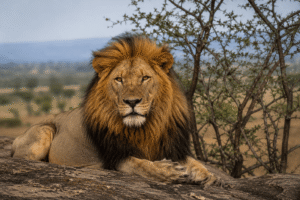
The lion is a symbol of leadership, bravery, authority, and spirituality among several African ethnic groups. In Eastern and Southern Africa, the lion has had symbolic associations with kingship and warriorhood in the past.
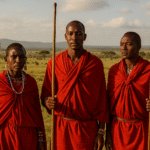
Among the Maasai people of Kenya and Tanzania, the lion used to be perceived as a symbol of bravery. Warriors would demonstrate their courage by participating in lion hunting activities. Although these practices have been banned due to conservation policies, the lion still symbolizes courage and bravery among the Maasai culture. One of the most influential religious and royal symbols in African history is the Lion of Judah. This symbol was used during the reign of the Solomonic Dynasty and later on the coat of arms of Emperor Haile Selassie I. Among Ethiopian Orthodox Christians, the lion signified God’s authority, protection, and endorsement.
The lion symbolism can be observed in masks, sculptures, stools, and royal costumes among various West African cultures.
The Python: Guardian of Sacred Wisdom
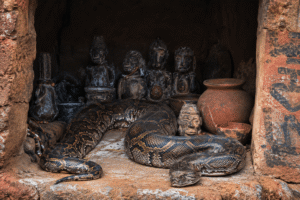
The python holds an important place in many African spiritual beliefs, particularly in West Africa. Instead of regarding snakes as wholly malevolent animals, many African societies see pythons as protective, ancestral spirits as well as conduits connecting the realms.
For instance, among the Fon peoples of Benin and parts of Togo, pythons have an important connection with the practice of Vodun religion. There are sacred python temples where the animals are not feared but worshipped. The python is seen as representing spiritual power, fecundity, wisdom, and eternity. In some areas of Nigeria, there is a taboo against killing pythons which calls for rituals to cleanse those who violate the prohibition. The shedding of the skin by the snake has long been viewed as a symbol of rebirth and renewal.
African myths have references to the rainbow snake whose powers include fertility and rain.
The Crocodile: Keeper of Rivers and Ancient Knowledge
Crocodiles have been both feared and revered within African river civilizations for ages. In many folklore tales, crocodiles are considered to be gatekeepers of sacred water bodies and sources of knowledge. The ancient Egyptians worshiped crocodiles as deities in the form of Sobek, a crocodile-headed god representing the Nile River, fertility, military prowess, and protection. There were shrines erected to Sobek along major water bodies, emphasizing the importance of the crocodile within the Nile civilization.
There are some African cultures, specifically those located in Central and Southern Africa, where crocodiles play a part in initiation rites and clans’ totems. In some communities, specific crocodiles represent ancestors or protect sacred sites. Since rivers provide life in many African nations, animals that live in such water bodies naturally gained spiritual significance.

The Elephant: Wisdom, Memory, and Leadership
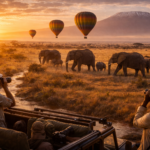
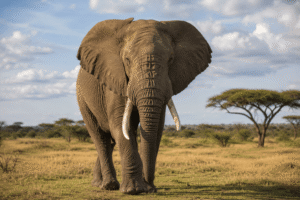
African communities revere elephants for their intelligence, strength, memory, and social behavior. In myths and legends, elephants often embody wise governance and heritage. In many Central and West African societies, elephants are linked to royalty and nobility. Elephant designs appear on royal masks, walking sticks, and ceremonial garb to convey regality and status.
African communities use the gentle yet formidable nature of elephants in proverbs and spiritual teachings. In some traditions, people compare elders to elephants because of their wisdom and strong memory. In some societies, elephants stand for solidity and communal defense. Their cultural significance in oral storytelling remains a driving force behind African artistry.
The Hyena: Trickster and Moral Teacher
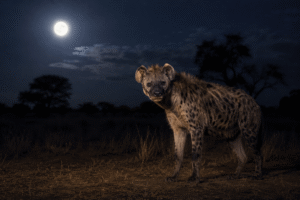
While often feared or considered taboo, the hyena holds an interesting place within African mythology. Hyenas figure prominently within numerous myths as the tricky character whose gluttony, arrogance, or stupidity provides moral lessons for others. Myths and stories featuring hyenas exist among cultures in Eastern, Western, and Southern Africa. Many African folktales portray hyenas as cunning and impulsive animals that warn people against greed and deceit. Some spiritual traditions also associate hyenas with witchcraft, magic, and supernatural activity. Hyenas’ ability to shift form and their nighttime howling may have provided grounds for such beliefs.
The Leopard: Mystery and Spiritual Power
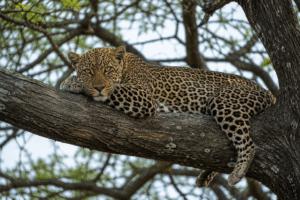
Today, leopard-themed African masks still embody such ideas.
Birds as Messengers Between Worlds
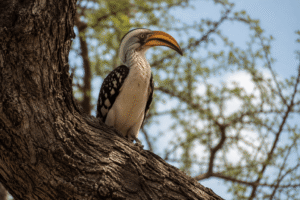
African spiritual traditions regard birds as unique because of their connection to the sky and the spiritual world. Many African communities view birds as sacred creatures capable of communicating with humans, ancestors, spirits, and divine forces. There is a common depiction of birds such as owls, vultures, eagles, hawks, and hornbills in African spirituality, but their meanings differ greatly among African communities. Some African societies associate hornbills with wisdom, communication, and ancestral connection. Communities often link eagles to vision, leadership, power, and spiritual elevation because they soar high above the earth. Many traditions also view vultures as symbols of cleansing, regeneration, and the natural cycle of life and death.
Feathers and bird depictions are also depicted in African divination, rituals, dances, masks, and traditional African art.
Sacred Animals and Totem Traditions
Most African societies have a system of clans that involve the existence of animals referred to as totems. Totem animals function as spiritual identifiers of clans, families, and sometimes communities representing ancestry, protection, identity, and cultural affiliation. In many of these traditions, clan members do not harm, kill, or consume their totem animal because they believe it shares a spiritual bond with their bloodline. Communities use the totem to strengthen value systems, social responsibility, unity, and identity among clan members.
Some African societies believe totem animals provide spiritual guidance, protection, and qualities associated with that animal, such as strength, wisdom, bravery, fertility, or resilience. They include:
- Crocodiles
- Monkeys
- Zebras
- Buffaloes
- Snakes
- Leopards
- Various fish species
- Birds
Sacred Animals in African Art and Oral Tradition
African myths have been kept alive through oral narration, dance, sculpture, music, masks, proverbs, and rituals practiced from generation to generation. In African folklore, many sacred animals emerge as strong symbols loaded with spiritual, ethical, and cultural meanings. Many African masks, sculptures, cloths, paintings, and ceremonial items portray animals that feature during community rituals such as initiations, harvests, funerals, ancestor worship, and spiritual rituals. Wearing masks of animals such as lion, leopard, birds, crocodile, elephant, among others, symbolizes cultural remembrance and reinforces social ethics and spirituality.
Myths and folktales explain how animals acquired their distinct traits and features, why certain animals became cultural taboos, and how humans relate to nature, ancestors, and the spiritual world. Through myths and oral tradition, the animals emerge as teachers, protectors, tricksters, and symbols of wisdom.
The Spiritual Relationship Between Humans and Nature
Interconnectedness is one of the significant themes that are evident in African myths. In African culture, people never view sacred animals as random symbols. Instead, they see them as part of a broader philosophy that recognizes nature as spiritually alive and deeply connected to human existence. African cosmology weaves together mountains, forests, rivers, animals, and ancestors within one interconnected spiritual world. As a result, many communities honor certain animals as protectors, messengers, and sacred spiritual symbols.
Up to date, many African societies have managed to retain their cultural values and belief systems regarding sacred animals.
Conclusion
Sacred animals in African mythology reflect the deep spiritual connection between humans, nature, and the unseen world. For generations, African societies viewed these animals as guardians, protectors, ancestors, and spiritual messengers. The lion symbolizes courage and kingship, while the elephant represents wisdom and leadership. The python reflects renewal and spiritual protection, and the leopard embodies mystery and hidden power. Through mythology, rituals, folklore, and sacred art, African communities preserved their values, identity, and ancestral heritage. Most importantly, these traditions show how Africans viewed humanity, nature, and spirituality as interconnected parts of existence. Even today, sacred animals continue to influence African storytelling, spirituality, art, and culture.