


















Introduction
In most African cultures, illness does not originate in the flesh alone; it starts where something broke, maybe between a person and his ancestors, between those living and the dead, between conduct and consequence. African traditional healers stand at this crossing point. They do not have to choose between science and spirit. They work with both. In this way, traditional healers from all over the continent have understood the human being to be layered: body, breath, shadow, lineage, destiny. And when one layer fractures, the others respond. Healing, then, requires more than medicine. It requires listening; to dreams, to patterns, to the quiet language of the spirit world.
The Healer as Mediator, Not Magician
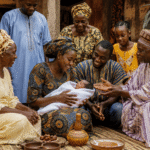
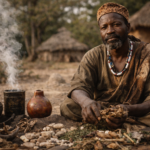
African traditional healers do not arrogate themselves any form of power. Rather, they work as mediators between people and their ancestors, who reveal the cause of imbalance through various signs. The diagnosis by an African traditional healer goes beyond identifying physical problems. In addition to examining physiological and psychological symptoms, they consider the disruption in family ties, spirituality, and societal cohesion.
African traditional healers handle each case differently compared to a hospital physician. While hospital doctors are more concerned about the visible symptoms, these traditional healers go beyond such superficial considerations by asking questions that are related to spiritual imbalance. Examples of questions asked by African traditional healers include: Who hurt whom? What promise has been broken? Whose voice has not been listened to among ancestors?
It is evident that African traditional healers’ approach to healing is distinct from modern medicine because the former seeks harmony, whereas the latter focuses on treating disease.
Plants That Heal the Body, Rituals That Heal the Spirit
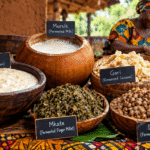
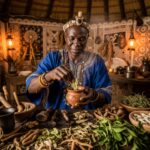
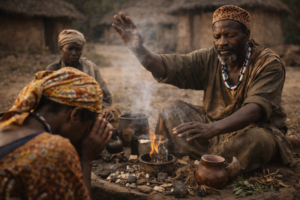
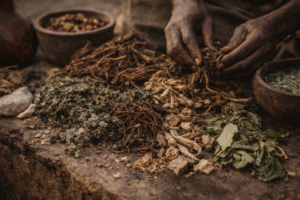
Traditional African healing is characterized by the extensive use of herbs. Traditional healers combine different parts of plants and minerals for treating pain, diseases, infertility, and exhaustion. Such knowledge is passed from one generation to another orally, using the methods of initiation and apprenticeship. Every herb has medicinal as well as cultural significance for traditional healers who see it as part of their spiritual heritage. Herbs and medicines, however, are not the whole package of traditional healing.
There is also a ritual component in the practice of healing. A person’s intention should be purified and aligned with the desired outcome using prayer. Ancestral spirits must be called and their approval asked for using invocation techniques. In some cases, traditional healing requires reconciliation within a family, recognition of wrongdoings committed in the past, and conducting of missed ceremonies.
Herbal remedy acts upon the physical body. Ritual acts upon the meaning of healing.
Ancestors as Active Participants in Healing
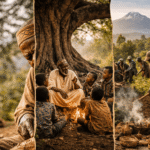
Ancestors, in African cosmology, are not in the distant past. They remain alive, present, and engaged. Their departure is seen as temporary, where they serve as guardians who continue to watch and protect their descendants. If a disease presents itself with no apparent physiological reasons, the healer turns his focus away from the patient and toward the family’s relationship with its ancestors. A lack of harmony between the living and the dead could be caused by various factors: anger among the deceased, neglect of religious practices, forgetting the names of loved ones, or violations of moral values.
The healer directs the family to engage in activities meant to restore their connection with the spirit world. It is important to note that the healing process goes beyond the physical aspect because it also aims to restore harmony within the family. In many African societies, forgetfulness of one’s ancestors can lead to chaos. Reestablishment of relationships with the spirits through recollection brings about balance.
Diagnosing Through Dreams, Divination, and Signs
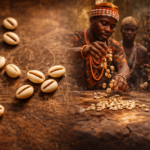
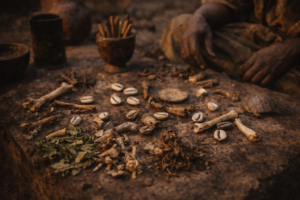
The traditional healer diagnoses by using observation and divine knowledge. This healer uses bones, cowrie shells, water, fire, and other sacred objects in order to discover how these elements reveal secrets of the invisible. Also, he listens attentively to dreams described by the patient. Dreams are interpreted as meaningful messages rather than random thoughts. Over time, the healer recognizes the repeated signs of unexplained tiredness, misfortunes, accidents, and losses that indicate a more serious disorder. Diagnosing does not depend on guessing; it presupposes listening, interpreting, and experiencing.
As a result of this diagnostic procedure, the healer discovers the reason for the disease with a wider perspective. He finds out the reason why the disease occurs because of the disorder in nature, ignoring spiritual matters, disputes between people, or interference of the environment. Each disorder requires a certain solution. Thus, diagnosing turns out to be holistic in its character. It involves body, soul, and society into one organism.
Community Healing, Not Individual Isolation
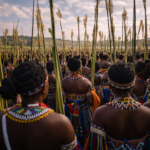
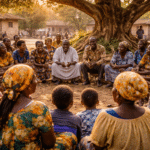
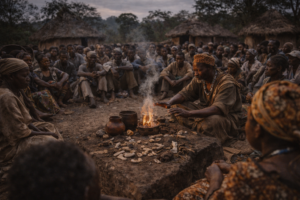
The Western perspective emphasizes the individual as an isolated entity. African Traditional Healing recognizes the interrelationship between individuals. It is aware that illness could involve the patient’s parents, spouse, neighbors, and even the spirits of their forebears because existence occurs within society. One does not live in sickness alone; rather, one’s sickness is indicative of a greater disequilibrium affecting others. African healers aim to bring balance to these relations. They facilitate discussions that promote forgiveness and accountability while uncovering underlying issues. They deal with wounds that no medication could address: feelings of bitterness, isolation, betrayal, and spiritual separation. As these cracks mend, balance is restored, and the outward manifestation of disease disappears.
It does not mean that the scientific process should be ignored. Rather, the scope of healing should be broadened to include what modern medicine tends to neglect; the psychological, sociological, and spiritual sources of ill health. African Traditional Healing continues to flourish because it appeals to the entire individual, acknowledging that real wellness comes not just from physical treatment, but from bringing balance to oneself and society.
Modern Pressure and Ancient Continuity
Colonial authorities considered the African healers to be primitive, whereas the missionaries considered their practices either dangerous or wrong. The same trend can be observed in the regulation of traditional healers by modern states. However, healers prevailed. People continued approaching the healers for help in preserving knowledge that survived for generations until then. Currently, many Africans freely interact with both hospital medicine and African traditional medicine. There is no contradiction; on the contrary, there are different aspects that people want to treat. Thus, someone may consult a doctor first and then go to the healer to solve more spiritual or ancestral issues.
Healers are engaged in cooperation with scholars and participate in various studies in the field of researching medicinal plants. Healers from other African regions try to preserve knowledge, which is considered to be sacred and acquired as a result of the initiation ceremony. Regardless of the regional peculiarities, the main principle is the same: healing means balancing. Undergoing all kinds of pressure and changes, African traditional healing managed to maintain its core features intact.
Why African Traditional Healers Still Matter
While the world around us values speed and efficiency, African traditional healers assert that meaning counts. While other systems aim at fast resolution, healers take time to ask deep questions regarding purpose, relations, and balance. When everything seems fragmented, they bring back wholeness. They embrace reality and add depth to it.
As long as Africans continue dreaming, remembering their ancestors, and searching for harmony which goes beyond physical well-being, there will be a place for traditional healers. They act as mediators who can connect the tangible and intangible spheres of existence. Notwithstanding their deep immersion into the concrete aspects of life, they recognize and acknowledge the importance of invisible elements which are equally important.
Traditional healers are relevant because they provide holistic treatment which involves the mind, soul, and body. While many healthcare professionals focus on treating diseases, African healers treat patients. They are concerned with spiritual, emotional, and social needs of their clients.
Conclusion
The African traditional healers occupy a space at the convergence of the physical and metaphysical bodies, where healing takes on a spiritual dimension that goes beyond symptom management. Illness is not experienced in isolation but affects the social fabric, the memory of the patient, and the environmental and supernatural factors that affect the patient’s being.
The practice of traditional medicine highlights the flaws of the biomedical approach in its limited focus on the physical aspects of the disease. Traditional healing involves understanding the patient and restoring the disrupted spiritual and physical balance by using different natural and supernatural interventions. In an era of rapid transformation, the traditional healer retains his significance due to his comprehensive knowledge and holistic view of life. His role in society can be compared to that of a bridge between worlds, preserving ancient knowledge that encompasses all aspects of human existence.
Similar article…more