










































































The Spirit of Homowo
Every August and September, the streets of Accra, Ghana, burst into life with drumming, laughter, and the scent of palm oil stew. The Homowo Festival, meaning “hooting at hunger” in the Ga language, is one of West Africa’s most meaningful celebrations. A vibrant blend of history, gratitude, and community.
It’s more than a festival; it’s a declaration of survival. Rooted in the memory of a devastating famine centuries ago, Homowo reminds the Ga people of the power of resilience and the beauty of abundance after hardship.
The Origins: Hooting at Hunger
According to Ga oral history, a long famine once plagued their ancestors after a difficult migration to the coast. When rain finally returned and crops flourished, the people celebrated their triumph over hunger. They mocked the famine with joyous songs and dances.
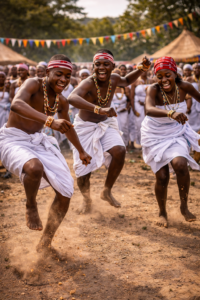
That act of defiance became Homowo, an annual festival celebrating the end of suffering and the beginning of plenty. The festival’s rituals; drumming, dancing, and the sharing of food, keep that memory alive for every new generation.
A Feast of Community and Gratitude
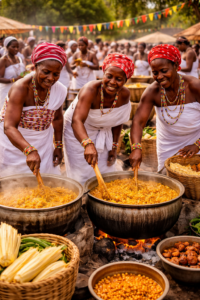
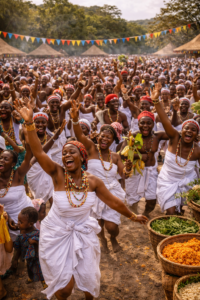
At the heart of Homowo is Kpokpoi, a sacred dish made from steamed cornmeal mixed with palm oil and served with fish. Families gather to cook and share it, first offering a portion to ancestors before the living partake. This symbolizes unity between past and present.
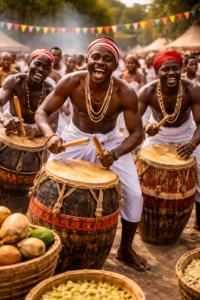
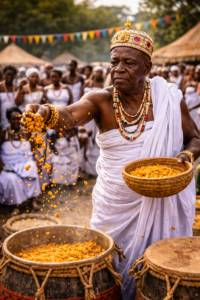
The streets become rivers of color as people wear bright kente and white garments, exchanging blessings and laughter. Chiefs parade in regal attire, accompanied by traditional dancers and the steady rhythm of talking drums.
Cultural Significance Today
Beyond its historical roots, Homowo remains a cornerstone of Ga identity and Ghanaian unity. It’s a time when even city dwellers return home to reconnect with family and culture. Modern celebrations blend the old with the new; cultural parades, concerts, and food fairs now draw visitors from around the world. Yet, the soul of Homowo endures: remembering the past while giving thanks for the present.
Why Homowo Matters
In an age where many traditions fade under modern life, the Homowo Festival stands as a living reminder of resilience, gratitude, and heritage. It teaches that no matter how deep the famine (literal or symbolic), joy will always find a way to return.
Homowo is not just a Ga story. It’s a human one; about overcoming hardship and choosing to celebrate life, even in the shadow of memory.
Echoes of Gratitude
To witness Homowo is to feel the pulse of Ghana itself; a rhythm that beats with history, hope, and humanity. It’s a celebration that reminds us to be grateful not just for food, but for community, continuity, and courage.
So, when next you hear the drums echoing through Accra’s alleys, know that they are not just marking a festival. They are echoing centuries of triumph over hunger, and a people’s eternal song of thanksgiving.





Pingback: The Rhythm of African Ceremonies - Real African Diary