































New to the story? Read our companion article, The Rise of the Mali Empire: Africa’s Golden Civilization, to discover how one of Africa’s greatest empires laid the foundation for Mansa Musa’s extraordinary reign.
Introduction
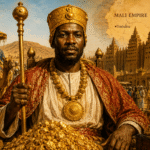
Greatness in many cases has been measured in the form of wealth accumulated by the ruler. The name which most aptly defines this description is Mansa Musa. For centuries, the ruler has been regarded as the wealthiest individual in the history of man; a monarch whose wealth has surprised kingdoms and transformed economies. However, wealth cannot be the only factor responsible for the immortality of Mansa Musa.
The wealth accumulated by him was a result of a great vision of the ruler that wealth would only define the prosperity of the nation to a great extent. Mansa Musa invested in trade, encouraged scholarship, built magnificent architectures and transformed towns like Timbuktu into centers of learning that were famous even outside Africa. The reign of Mansa Musa brought prominence to the Mali Empire and established that the greatest inheritance that any ruler can pass on is not the wealth he possesses but the civilization he has created.
Who Was Mansa Musa?
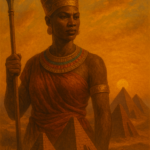
Mansa Musa reigned in the Mali Empire during the early 14th century after inheriting power from his predecessor in about 1312 AD. ‘Mansa’ in Mandinka means king or emperor. The empire of Mali, which existed before the reign of Mansa Musa, was already rich and had an effective leadership structure. However, the new king added further strength to the empire by engaging in diplomacy, business, and education. This empire consisted of areas that currently make up Mali, Senegal, Guinea, Mauritania, Burkina Faso, Niger, and some portions of Ivory Coast. It was arguably the most powerful empire on Earth.
In contrast to rulers whose achievements relied solely on war campaigns, Mansa Musa’s fame came due to institutional developments, education, and wealth.
The Wealth That Astonished the World
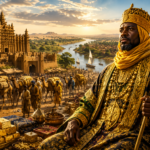
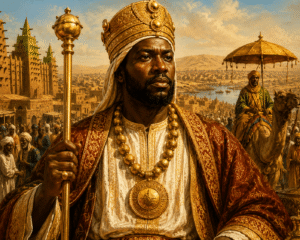
The wealth of Mansa Musa was not the personal property alone. Rather it stemmed from the vast and rich empire he ruled over. The Mali Empire owned gold-rich mines in Bambuk and Bure and had control over the lucrative Trans-Saharan trade route connecting West Africa to North Africa and beyond. Gold moved north. Salt moved south. All sorts of goods like ivory, textile, leather, spices, books, horses and other valuable items were traded by the merchants of Mali across the Sahara desert, creating unimaginable wealth for the empire.
Taxes collected on all types of trade further filled the coffers of the imperial economy of Mali. Unlike many wealthy rulers, who spent their money for themselves, Mansa Musa built cities, mosques, madrasahs and other public institutions through his wealth. Through his wealth, he built an empire that prospered through commerce and knowledge. His wealth not only showed the richness of the individual ruler, but also showed how prosperous and advanced an African civilization could be.
The Pilgrimage That Changed History
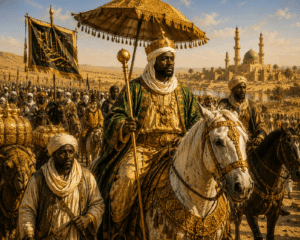
In 1324, Mansa Musa made his pilgrimage to Mecca, thus carrying out the pillar of Islam. It turned from a personal religious duty into an unprecedented trip in world history. The caravan went from Mali to Mecca through Egypt via the Sahara, attracting attention everywhere he passed.
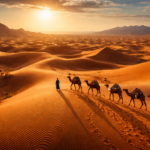
According to historical sources, an impressive entourage consisting of thousands of followers, guardsmen, scholars, traders, and servants joined the march of the emperor. Hundreds of camels transported food, equipment, lavish presents, and vast amounts of gold. On the way, Mansa Musa distributed gold among the poor, gave bribes to local authorities, and contributed to the maintenance of mosques and other Islamic institutions. His generosity impressed both the rulers and traders, and showed the great wealth of the Mali Empire. The news about the pilgrimage spread all around Africa, the Middle East, and Europe, acquainting the people with a highly developed civilization located south of the Sahara.
The Emperor Who Changed an Economy
The generosity of Mansa Musa yielded results that few rulers in the history of the world have ever witnessed. In Cairo, where he spent some time, Mansa Musa was giving away huge amounts of gold to the poor people, giving money to the officials, supporting religious institutions, and buying goods with his generous contributions. The generosity of the gifts that he made is explained by both his personal qualities and the fact that he was incredibly wealthy.
Historians state that due to the large amount of gold that flooded Egypt suddenly, its value went down dramatically. The market could not handle this large quantity of goods, and inflation occurred as a result of that. Although there is still discussion about the extent of these economic impacts, historians agree with one thing; Mansa Musa was incredibly wealthy. Musa became an internationally-known figure whose fame reached the limits of Africa, the Middle East, and even Europe. Most importantly, his pilgrimage made the world learn about the wealth, organization, and sophistication of the Mali Empire.
A Patron of Learning and Scholarship
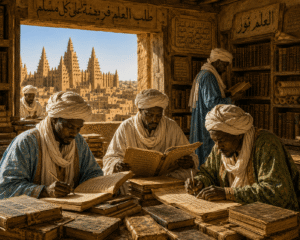
While most people remember Mansa Musa for his wealth of gold, his greatest investment was in knowledge. He knew that while wealth had the power to create impressive cities, knowledge had the power to create an entire civilization that would last for decades. After his pilgrimage to Mecca, he invited great scholars, architects, judges, and teachers from all corners of the Islamic world to come live in the Mali Empire. The result was that cities like Timbuktu soon became respected international centers of education and scholarly thought. Libraries grew. Universities thrived. Mosques were transformed into centers of not just worship, but of learning.
Students came from afar to learn about theology, mathematics, astronomy, medicine, jurisprudence, geography, literature, and philosophy from respected scholars. Written manuscripts were coveted treasures carefully preserved as symbols of enlightenment and erudition. In creating such an environment of scholarship alongside commerce, Mansa Musa made sure that Timbuktu earned itself international prestige. While wealth is important, Mansa Musa believed the true treasure was knowledge.
Building a Legacy in Stone and Earth
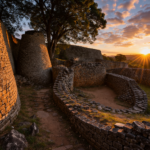
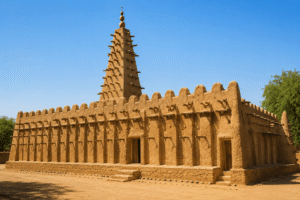
In addition to promoting economic growth and development, the ruler also transformed the visual identity of the empire. He commissioned impressive buildings that reflected the strength, faith, and prosperity of Mali. Instead of lavishly spending all the money collected through taxes and trade, he invested in mosques, madrasas, palaces, and other public buildings across the empire. These structures became an important part of the civilization’s cultural heritage. Among his greatest architectural achievements was the Djinguereber Mosque, which remains one of Africa’s most significant architectural landmarks.
Built of mud brick and timber, this mosque is a good example of ingenuity of West African architects. Not only beautiful, it is quite durable and can withstand the difficult climate of the Sahel while remaining affordable and easy to maintain. Moreover, the mosque itself could be used for both religious purposes and for teaching and studying by students. Thus, it was shown that the Mali Empire was not only engaged in trading, but in religion, education and other aspects of life as well.
Leadership Beyond Wealth
Mansa Musa was aware that it was not wealth alone that sustained an empire. The Mali Empire had huge amounts of gold and controlled lucrative trading routes. However, he knew that true prosperity lay in having sound governance, good leadership and welfare of the citizens of his empire. During his rule, he worked towards building strong administration, facilitating peaceful trade and diplomacy and ensuring justice within his vast empire. This resulted in stability and hence prosperity of commerce, education and culture.
Unlike other rulers who hoarded their wealth, Mansa Musa utilized wealth to develop his nation. He focused on developing public facilities, investing in religious and educational institutions and promoting scholarship that would help future generations. His example clearly showed that the real accomplishment of a king is not in amassing fortunes but in making use of those fortunes to uplift his nation. It was this quality that made him one of the best and far-sighted leaders in the continent of Africa.
Why Mansa Musa Still Matters
Centuries after he died, Mansa Musa still inspires many historians, economists, educators, and Africans all over the world. His achievements go beyond just being known for his immense riches. They reveal the importance of using power to change society positively. It is important to understand that the rule of Musa revealed the presence of advanced kingdoms with prosperous economies and scholars in Africa.
The history of Mansa Musa destroys the myth about the absence of civilized empires and global importance of Africa before colonization. It reveals an empire that thrived on commerce, scholarly work, diplomacy, and wise leadership. The development of education and architecture by the emperor proves the importance of building nations rather than making money. His legacy also offers an enduring lesson. Natural resources offer opportunities. Education creates civilizations. Good leadership determines what to do with the riches; to serve the elites or the whole nation.
Conclusion
Mansa Musa was not just the richest individual in history; he was also a leader who realized the truth in the saying that real power does not come from hoarding riches but from putting them into use to elevate an entire civilization. The leadership of Musa made the Mali Empire a haven of commerce, education, architecture, and diplomacy. A tradition that is still felt in Africa’s history.
The gold which made the name of Mansa Musa was eventually gone, as were the cities he strengthened over the years. However, the virtues he stood for; education, leadership, benevolence, and vision are still alive. What history should remember about a leader is not just what he or she possessed, but what that leader created. In this context, Musa is one of the greatest kings Africa ever had.



Pingback: The Rise of the Mali Empire: Africa's Golden Civilization - Real African Diary
Hello, Neat post. There’s a problem along with your web site
in internet explorer, may check this? IE nonetheless is the marketplace
chief and a huge section of folks will miss your wonderful writing because of this
problem.