






































































Introduction
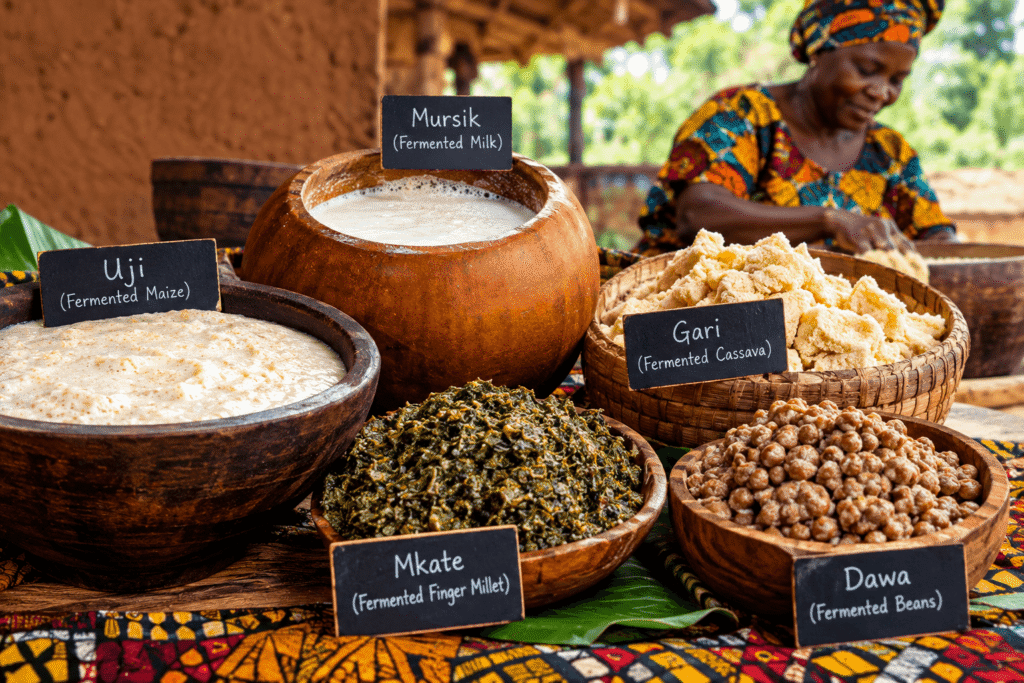
In the African continent, through fermentation, ordinary ingredients have been turned into foodstuffs which are rich in flavor, have extended shelf life and great significance within culture. Various societies have been fermenting milk, maize, millet, sorghum, cassava and other indigenous crops for many years, developing techniques that would suit their environment and resources. Even though the refrigerator and the modern grocery store has revolutionized the African kitchen, there is no denying that fermented foods still feature prominently in it. This is because they serve not only practical purposes but also maintain flavors and traditions which are known to be those of home.
From mursik in Kenya, amasi in Southern Africa to various fermented grains and cassava in West Africa and fermented bread in the Horn of Africa, such foods demonstrate how diverse the cuisine of the continent is. They also demonstrate how various African societies have turned what started out as preservation techniques into a body of knowledge and distinct flavors and food traditions which are still adapting.
Fermentation Began as a Practical Solution
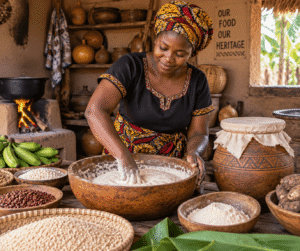
Before the advent of the modern method of refrigeration, there were continuous challenges associated with food preservation. Milk would easily spoil while harvested foods had the potential of deterioration, and communities needed to find effective ways of utilizing whatever ingredients they could obtain. One of the solutions was fermentation. Through fermentation, communities could modify their foods in a way that would ensure prolonged shelf life, altered taste and, in some cases, increased safety and nutrition. This was an energy-conserving method that was easy to implement at the domestic level.
In Africa, fermentation did not represent a one-size-fits-all approach. It was modified to suit local crops, climate and tastes. From cassava to cereals, dairy foods and vegetables, the fermentation process varied from one community to another. This made the method adaptable and ensured that fermentation played an integral part in the development of the African food system. In many cases, the foods produced through fermentation became staple foods, rather than just emergency foods that were used to avoid wastage.
Fermentation Creates the Flavours People Remember
Preservation is the reason behind fermentation’s survival; however, flavor is responsible for the continued preference of fermentation. Flavor created by fermentation cannot be easily replicated through fresh products or industrial processing. This is an essential feature of the fermented product itself. Without fermentation, the product will be consumable, but it may not necessarily have the flavors associated with it.
Mursik of Kenya is a fine illustration of the same. Milk is fermented in specially prepared gourds to obtain this product that is known for its unique flavor and immense cultural importance. UNESCO states that Mursik is part of Kenya’s living food culture tradition that represents hospitality, everyday life and celebrations. The amasi of Southern Africa is another case in point, where the milk was converted into a product with unique flavor, aroma and texture through fermentation process.

Africa’s Fermentation Traditions Tell Different Stories
There is no single fermentation tradition in Africa. Each community developed unique foods depending on the types of crops they cultivated, the types of animals they raised, and the environments they found themselves in. East African communities developed various fermented dairy products as well as cereal foods. In West Africa, various crops such as maize, millet, sorghum and cassava form the basis of many fermented foods. In Ethiopia and Eritrea, fermentation is a key part of the preparation of foods like injera, while other communities in Ethiopia have traditionally used fermentation to ferment crops like ensete.
This diversity makes fermented foods a fascinating area for understanding the culinary history of Africa. Though similar rules can be used in the process of transformation of food, each community uses them uniquely. The fermentation of cassava in West Africa, sour milk in Southern Africa and fermented cereal batter in the Horn of Africa all belong to unique food traditions.
Traditional Knowledge Lives Inside the Process
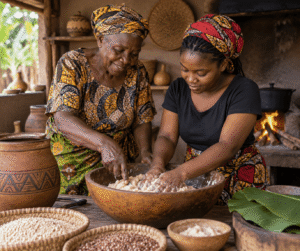
Many of these fermentation processes are based on information which is not always found within written recipe books. People learn about the duration of fermentation, the effect of temperatures on it, the required texture and when the food item is fully fermented based on experience. These types of information are passed from one generation to the next within the family unit by observation and practice. Children learn by watching their elders ferment food items instead of relying on the measurements written down in recipe books.
It is necessary to acknowledge the importance of such information as an element of Africa’s cultural heritage. Once people abandon their traditional ways of making food products, they tend to forget about all the knowledge and skills related to it. It has become even more relevant because of urbanization, changing way of life and appearance of ready-made food. UNESCO lists modern lifestyle and changing food habits as one of the threats to mursik practices, while food specialists also warn that indigenous information may be lost along with changing technology and cooking practices at home.
Fermentation Still Has a Place in Modern African Kitchens
Modernity has led to changes in the way people purchase, store and process food. Despite all these changes, the need for fermented products still remains. Consumers in urban areas still purchase the fermented foods, and there have been an increasing number of studies and entrepreneurs who try to find better ways to improve the safety and quality of the traditional food fermentation. The recent studies of fermented foods in Eastern Africa have demonstrated possibilities of scaling up the production of traditional foods, while keeping quality and safety levels high at the same time.
Yet, commercialisation poses a threat itself. The traditional fermentation of the food results in variety and variation of the final product, which sometimes can become a part of identity of the particular food. The standardization of the process might increase the consistency of the product, yet the producers should not strip the African culinary diversity of its uniqueness.
More Than Preservation, More Than Tradition
The practice of fermentation is also valuable since it can contribute to food security and better utilization of local ingredients. Fermentation of foods in Africa has been researched and shown to increase shelf life and possibly other improvements like enhanced digestibility, nutritional value, and sensory qualities based on the specific type of fermented food. This field of study still continues because of the unique microorganisms involved in fermentation of African foods that could potentially be useful for food quality and new products development.
However, it would be incorrect to limit the significance of fermented foods to nutrition only. While science can explain the biological processes used in mursik, amasi or fermented cereals, it cannot explain why certain foods have special significance for their producers and consumers. Food is associated with memories. Certain taste brings back memories of family home, community events or dinner with relatives. Fermented foods exist because of both practical benefits and personal connections people make with them.
Conclusion
The significance of fermented foods in African cuisine is still high because African people developed something much more valuable out of simple means of preserving foods. Fermentation defined the taste preferences, nourished the whole system of agriculture and developed unique culinary traditions, which depend on the unique agricultural background of particular regions, the climate of places and cultures of people there.
Although the modern kitchens might be absolutely different from the kitchens of the previous generations, the fermented foods are still in use. The development of their future is not possible without freezing the traditional methods of preparing such foods in time but through developing the methods of making these products safer and appropriate for the modern times.
As long as the Africans keep valuing the taste of these foods and the cultural meanings associated with them, the process of fermentation will always be relevant for Africa.