










































































Introduction
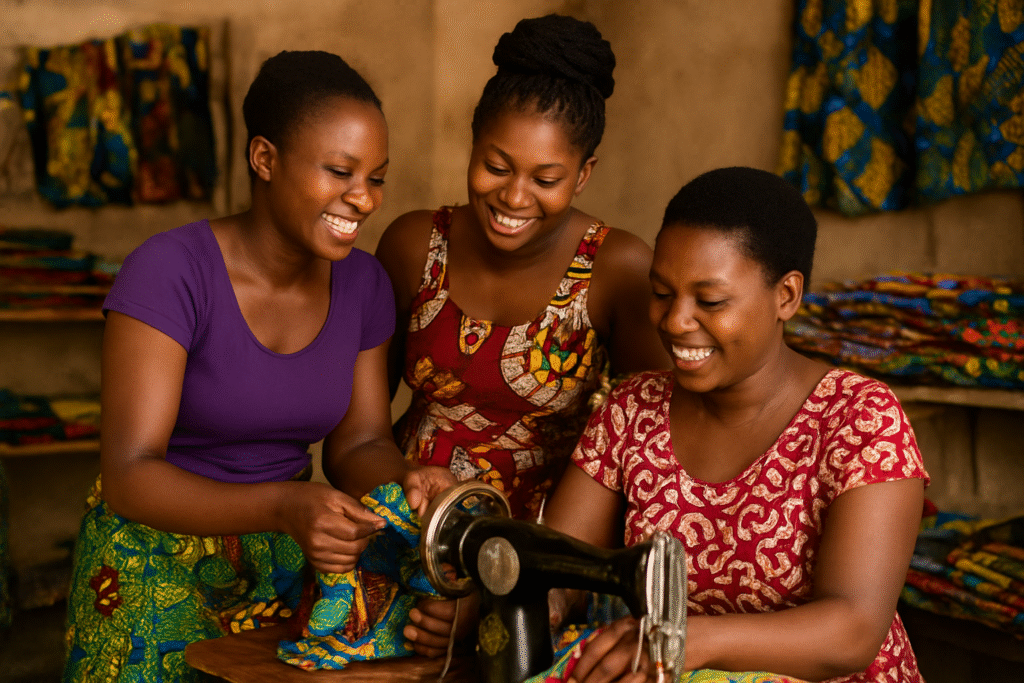
Something powerful is unfolding in the cities, townships, and rural markets across Africa: the world of fashion, long dominated by imported clothes and Western beauty standards, is being reclaimed, stitched, and re-imagined by African designers for African women. From Nairobi to Lagos, Kigali to Accra, women are stepping into fabrics that tell stories of ancestry, identity, rhythm, land, and pride. This is not a movement of clothes only. It is about dignity. It’s about ownership.
It is about women seeing themselves-and loving what they see. Rather, local designers are doing more than just shape garments; they are shaping confidence, employment, and a new definition of African womanhood rooted in culture, power, and authenticity.
Fashion as Identity, Not Just Style
In most African societies, clothes have more meaning than just dressing up. They convey messages through prints, emotions with color, and fabric which carries its language. Clothes are worn by people on different occasions including wedding, happiness, sadness, royalty, fertility, winning or transformation. It becomes a medium of storytelling, which shows who they are, where they come from and what period they are living through. The colonial period was characterized by the destruction of this perspective. It introduced a foreign perception of beauty based on brands, shapes, colors, and figures. It forced many into thinking about beauty from an external perspective as opposed to internal.
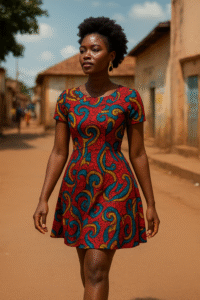
A new breed of African fashion designers is working towards restoring this perception. They manufacture clothes that encourage the wearer as opposed to belittling. They communicate that one is beautiful just the way they are. One does not have to conform to external beauty but appreciate their heritage. They have been able to do this through prints and tailoring styles which embrace African body shape, colors, and aesthetics.
Women Empowering Women Through Creation
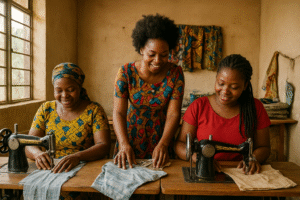
Many of these local designers are women who first started with just a sewing machine, perseverance, and the invaluable knowledge passed down by mothers and grandmothers who sewed clothes under mango trees or by the light of oil lamps. From mere survival, they have evolved into entrepreneurs. Tailor shops have now been converted into ateliers. Stalls that once sold fabrics from local markets are now online stores and fashion lines sold worldwide. As they grow, each new success paves the way for another. These women employ and teach others how to design clothes as they themselves learned from generations past. These actions provide:
- Opportunities for young moms
- Work for teenage girls
- Incomes for single moms
- Livelihood for widowed women
Aside from earning money, the women regain their power and autonomy. They can take care of their families, educate their children, and exercise control over their decisions. When a woman works, she becomes more than just a survivor; she is a builder of households, communities, and nations. In crafting, they do more than make money, they craft futures.
Reviving Heritage Through Fabric and Pattern
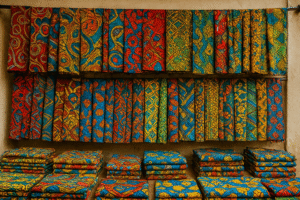
African fabrics are much more than just clothing designs. The textiles encapsulate memory, identity, and philosophy within their patterns. Every thread has a story to tell; stories of history and cultural practices that have evolved over decades.
- The Ankara fabric signifies connections and shared identities, usually binding together communities in different countries.
- The Kente textile holds messages of kingship and wisdom through intricate weaving patterns.
- The Shweshwe is symbolic of traditions and ceremonies, entrenched in historical and cultural beliefs.
- The Kanga represents Swahili messages conveyed in proverb form, humorous and philosophical.
The local designers do not only incorporate these fabrics, but empower them as well. Traditions are expressed through contemporary designs, which breathe life into history rather than keeping it stagnant. This explains why young women in Africa can now wear their history, but in a new way. The heritage of the old is brought along by the youth, but in their own languages and expressions.
Breaking Beauty Stereotypes and Reclaiming the Body
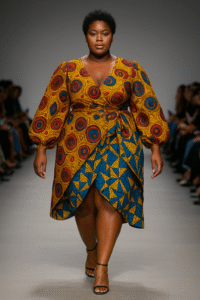
For too long, women of Africa had to follow the dictates of beauty, which meant being beautiful according to another standard of beauty. However, designers of this time are changing this perception and are creating garments that are appropriate to the bodies they wear. The designs are tailored to the full hips, strong legs, broad shoulders, and curves that speak about history, origin, and lineage. There is more to this than just tailoring. This is about perception. The notion of beauty does not have to be translated or interpreted by someone else. It already exists; it has always been there.
Today’s runways feature a diverse range of people. Women of different body types, people with different backgrounds, mothers and grandmothers parade on runways. Darker skin is a norm at today’s shows, which speak volumes about what the new fashion industry is like. No longer do African women hide their figures or alter them in an attempt to conform to other standards of beauty. Today, they can proudly wear what reflects who they really are.
Conclusion
Fashion in Africa is not merely a fad. It is an African Renaissance; a resurgence of self-discovery, empowerment, and identity. Local designers don’t just design for women. They empower, uplift, and rejuvenate. They design fabrics and silhouettes that tell stories of history, culture, and tradition while also building towards the future. Each cut and each stitch is imbued with meaning and intent. Every piece speaks volumes about the past and the present, and the future that lies ahead. This revolution is not confined to fashion shows and retail stores alone. It seeps into the everyday decisions that women make; how they carry themselves, how they support each other, and how they take control of spaces that were once limited. In their own words, they have said:
- Dress yourself.
- Wear your history.
- Dress your strength.
And across Africa, women are responding; loudly, proudly, and with great conviction: Yes. I will.


whoah this weblog is fantastic i really like reading your posts. Keep up the great paintings! You realize, a lot of persons are searching around for this info, you could help them greatly.