




















































Introduction
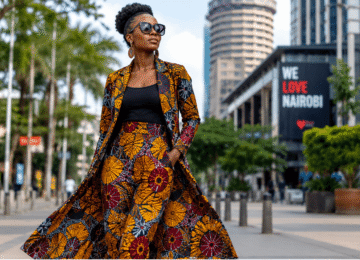
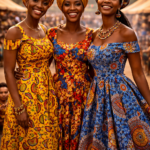
Few fabrics make their presence felt quite like African prints. The colors speak for themselves and the prints can be interpreted in different ways while the fabric has the potential of turning an otherwise ordinary outfit into an expression of identity. In Kenya, a kitenge dress may be seen on the streets of Nairobi; in Ghana, printed cloths will feature prominently in weddings. However, there is much more to this history of the African fabrics than most people would realize. In fact, some fabrics that are now intrinsically part of African tradition came into being as a result of global trade relations, colonial commerce and Europeans’ attempts to copy Indonesian batik techniques.
However, African customers, traders, tailors and designers gave a new twist to the imported fabrics making them their own by selecting certain colors, popularizing certain patterns, giving particular names to the fabric designs and creating whole fashion styles around them. Nowadays, African prints easily cross not only continents but also generations. One could see them at weddings, funerals, political rallies, fashion shows or international red carpets.
Before the Runway, There Was Everyday Life
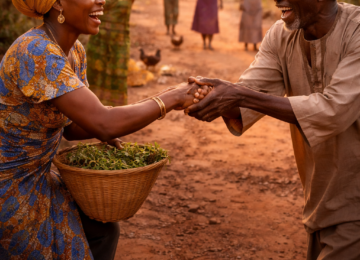
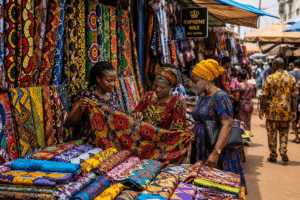
Even before fashion magazines all over the world started praising the African design influence in clothes, printed fabrics were playing a significant role in daily life. People purchased the fabric from the market stalls, took it to tailors, and made clothing that reflected their preferences and needs. One piece of fabric could be used to make dresses, shirts, skirts, headwraps, or traditional attire.
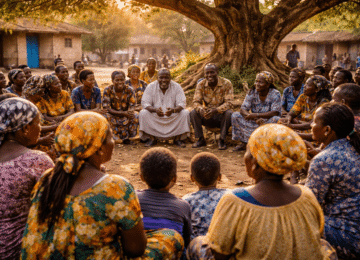
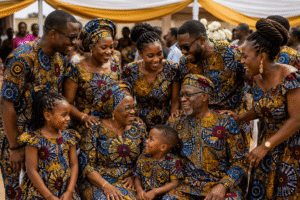
Clothing in many African societies holds a special place. Families and groups wear the same clothes on wedding days, funerals, anniversaries, and other events. Factory-printed fabric proved to be successful precisely because it allowed people to use it collectively and at the same time provide individualistic clothing solutions. In some societies, people even stored fabric for value purposes. That everyday connection to the fabric was the source of African print fashion. The fashion runway did not invent creativity in those clothes. Many generations of African women, tailors, and dressmakers tried various combinations and shapes way before international designers began getting inspired by Africa.
A Global Journey Before Becoming an African Story
The history of African wax prints has its beginnings in a cross-continental migration. In the nineteenth century, the Dutch sought to duplicate the Indonesian batik using mass production techniques. While the fabrics did not find much success in Indonesia, they finally managed to attract the interest of people in West Africa. European companies started manufacturing these fabrics to cater to the needs of the African market. However, African buyers played a significant role in the development of the industry. It was these buyers who chose what colours and designs to wear, while the traders informed the manufacturers of changes in their preferences.
With time, the Africans made these materials their own. Designers introduced new styles, while the Africans gave the materials local names. Thus, an industrial experiment turned into one of the most important components of African fashion culture.
When Fabric Learned to Speak
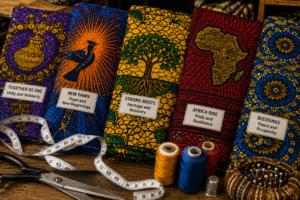
In most cases, a print on an African fabric means much more than color and design for most African communities. Fabrics may have names, symbolism and even sayings that are known in that community. In such cases, there is a possibility of the pattern telling something about the historical event, personal opinion or a certain message, which the wearer is not necessarily aware of or does not need to utter in words.
In some communities in West Africa, prints on the fabric grew to become a form of communication. People gave special names to various fabrics and usually related it to a popular proverb, relationship or common experience among other things. The message in the print was as important as the design of the cloth. Printed fabric also gained popularity in the field of politics. In the period of independence, manufacturers were printing fabrics showing various politicians, the symbols of the country and various historical events. This allowed people to wear their dreams and hopes as part of a garment. The garment itself could mean more than just cover. It could honor the politician, show independence or commemorate an event.
The Tailor Was Always Part of the Story
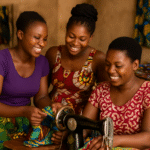
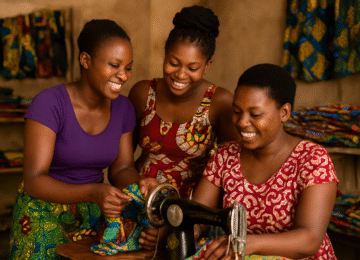
African printed fashion was never the factory’s prerogative. Once a client selects fabric for clothing, the tailor redefines the very essence of the material. The same print can be used to create a flowery dress, a tailored suit, head wraps or something completely new; depending on imagination of the tailor himself. Local tailors and seamstresses have been defining African printed fashion for generations. They know about personal preferences, cultural events and the significance of a good fit. In their hands, regular pieces of fabric turn into clothing that reflects individual character and changes in fashion.
This creative process links the small neighborhood dress shops to the world of fashion even today. Many contemporary designers of African fashion are based on techniques and practices developed by local dressmakers decades ago. The only difference may lie in scale and international recognition rather than in creativity itself. The international fashion show did not invent African fashion. African tailors have been developing new styles and experimenting with colors for generations.
From Clothing to Cultural Identity
Fashion became part of the identity process as the African countries went through their struggles and celebrations during their journey towards independence. One of the ways in which people communicated their newfound identity was through printed clothes bearing portraits, political symbols and even messages of politics. This kind of cloth became common during the 1950s and 1960s. By making historical events wearable, fashion ensured that such events could be remembered even years down the line. This is because patterns would be made to celebrate the new nation, the leaders and significant events. These pieces of cloth remain as visual records of how various communities marked the times of transformation politically.
Fashion therefore became history. People would put on clothes that showed the face of their leader. They would wear clothes that symbolized their political affiliation and matching clothes that visually united them at a significant public moment. The relationship between fashion and identity continues even today. People still put on African prints during their cultural festivities, weddings and other public occasions since they communicate who they are.
From African Streets to International Runways
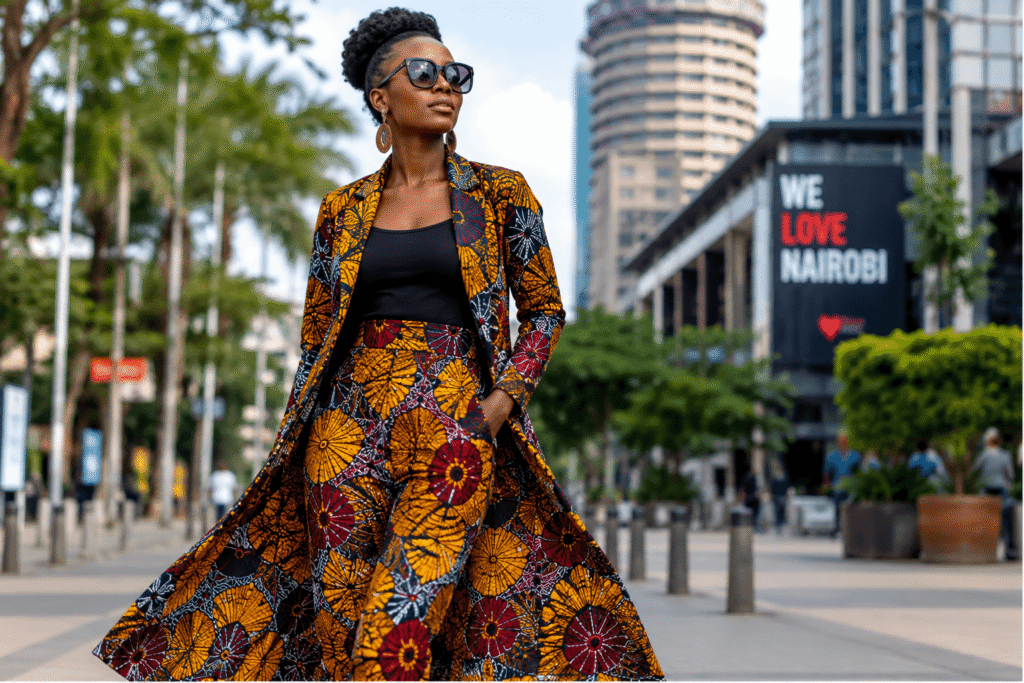
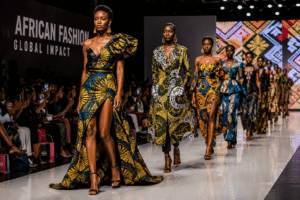
It took many years before the global fashion industry started paying enough attention to the creativity of African fashion designers that had been developing for many years already. Contemporary designers use African textiles and materials along with luxury tailoring, streetwear, new silhouettes, and world fashion influences. Nevertheless, the key thing here is that African fashion did not move from obscurity to legitimacy simply because international fashion runways noticed it. There were already active fashion scenes in African cities, and the consumers and designers kept experimenting with ways to wear the same materials.
Modern African fashion works on several levels at the same time. A designer can use traditional textiles for producing clothes for an urban consumer today. Other designers use contemporary silhouettes, and base their collections on local culture and history. The outcome is not an African fashion style but a wide variety of styles, influences and creators. International exhibitions have become helpful for introducing this variety to larger audiences. These exhibitions can challenge the attitude towards African fashion as a trendy fad. Nevertheless, a runway is only a part of a long story of African fashion industry.
Who Owns the African Print?
This intricate history of wax prints prompts a rather unsettling but fascinating question; who can claim ownership of a fabric, which origin story includes various continents? Indonesian techniques inspired the development of some types of wax printing methods. The fabrics were manufactured by Europeans. They were brought to Africa by the colonial trading network. But the people on this continent helped to create its designs as part of the cultural traditions, which had meanings much deeper than the history of its production.
Maybe ownership is not always an easy concept that applies geographically? Culture is often formed in a process of movement, exchange and change. The key here is to recognize the active role of African peoples in the process of transformation of these textiles into cultural phenomenon. African customers determined what to make. Traders told the manufacturers how to design. Communities named and imbued patterns with certain meanings. Designers worked with tailors creating styles, which would later be recreated for new generations. In other words, the African contribution is necessary to give the fabrics such meaning.
The Print Keeps Changing
However, the African print fashion has never remained static. Generations keep on experimenting with the same fabrics as used by their parents and grand-parents. A fabric pattern worn for formal events can be worn as street wear. Traditional cutting can be done in the modern cut. Printed cotton can be blended with denim, silk, leather, or even different forms of textiles.
Social media has made it easier. Fashion designers can now show off their designs without getting accepted first by traditional fashion centers. They can get recognition in other parts of the world through social media. Consumers can get exposed to different styles and support new designers while giving a new twist to older fashion trends. That is how this fashion trend survives all through. It doesn’t need each generation to wear what its parents wear. What makes the fashion trend survive is its ability to stay relevant. The future of this fashion trend will definitely look totally different. There will be new designers coming up with different designs in different materials and technology.
Conclusion
The history of a fabric does not end when it reaches the runway; it is a story of transformation. While global trade and industrial production certainly played a role, it was African consumers, traders, tailors and designers who infused life into these textiles that manufactures alone couldn’t give. Printed cloths tell stories of identity, of creative energy and change, from the market stalls to the tailoring workshops to the streets to the independence ceremonies to the runways. It is the clothes people have worn to celebrate their families, important moments and significant historical events. This is what makes these prints compelling and fascinating. The colors are indeed striking and appealing, but the strength of these prints is in their stories.
African prints made their way into different corners of the globe, but it is African creativity that made them unique, and the future of their development is in the hands of the next generation of designers.