










































































Introduction
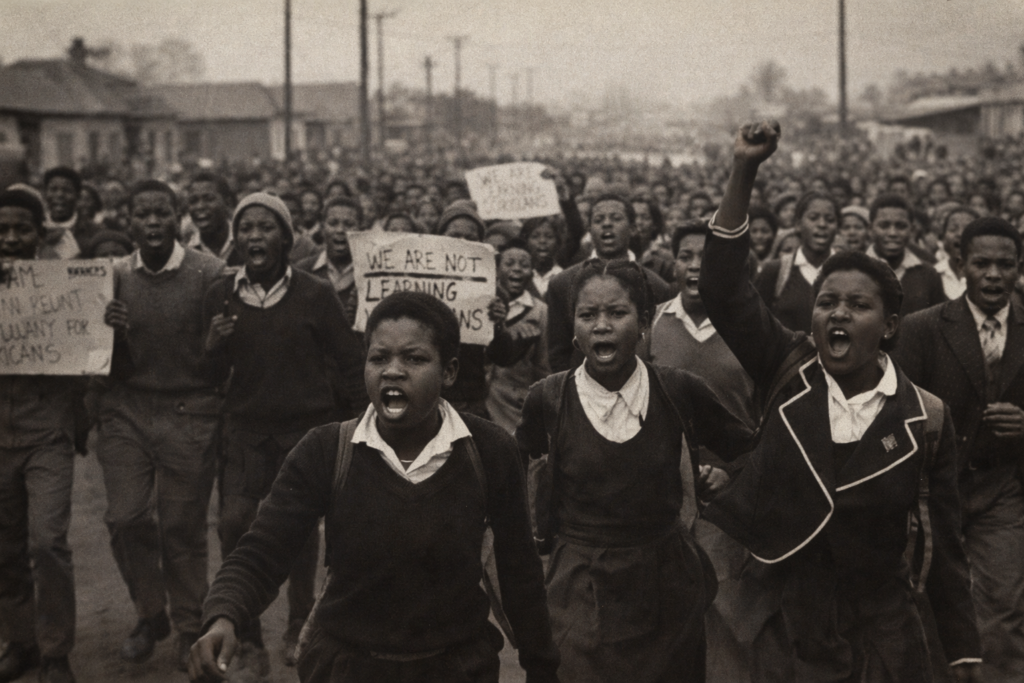
The day of June 16, 1976, marked a pivotal moment in South African history. A peaceful demonstration by students against the oppressive educational policies of the government soon turned into a massive uprising against the atrocities of the apartheid regime. While unarmed children took on the might of the government, they demanded freedom and dignity for themselves. This act of defiance not only called into question the government’s policies but also galvanized the entire country.
Classrooms Became Battlefields
On Wednesday, June 16, 1976, children left classrooms for history books. No firearms, only banners. Not rioting, but demanding respect. In Soweto, countless Black pupils went down dirty roads, opposing legislation requiring them to use Afrikaans, the language of their persecutors. These students demonstrated incredible organizational skills. They moved from one school to another, amassing strength, solidarity, and conviction. From protests to statements: education will not remain a constraint anymore but will become the way to liberation. They are not soldiers but students; young, rebellious, and fully aware of the oppression they have been facing.
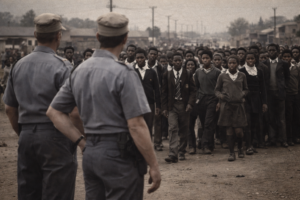
The apartheid administration tried to make education a tool of subjugation. The students managed to transform it into a tool of liberation. They confronted the police lines unarmed but defiantly, singing freedom anthems and hugging each other. But the government responded with gunfire. And that day became not just a protest but the rebirth of a generation.
The Law That Lit the Fire
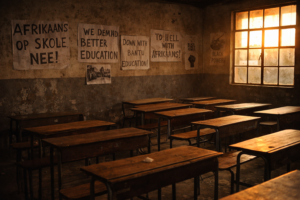
“The apartheid government ordered the schools to teach essential subjects in Afrikaans,” explained the journalist. “The government defended the policy because it increased ‘efficiency’,” said the journalist while elaborating on the issue. “The children knew the reality,” said the journalist. “The government wanted to shatter the mind before it developed,” explained the journalist while elaborating. The language was not only an ordinary tongue for the learners. The students perceived the language to mean more than its basic nature. In the classroom, Afrikaans was a symbol of oppression, dominance, and humiliation. Though many learners found it hard to understand, the policy had deeper meaning to them. The strategy was not a learning tool. Instead, it was a way of asserting dominance.
The youth leaders such as Tsietsi Mashinini planned their peaceful protest. The group called on their fellow students to gather. They mapped out the routes. They advised the instructors to stand back during the march. The young people emphasized discipline and unity. On the freezing winter morning, thousands of students left school unarmed.
Hector Pieterson and the Image That Shook the World
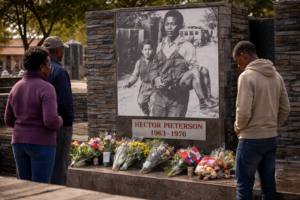
The police fired shots near Orlando West. The shot hit innocent kids who were unarmed. One twelve-year-old kid named Hector Pieterson fell down. Frightening screams and sounds from gunshots turned what had been a peaceful walk into chaos. The classmate of Hector, Mbuyisa Makhubo, lifted his dead body and ran to look for help together with his sister, Antoinette who had an expression of disbelief and sorrow. The photograph was taken by Sam Nzima. This picture was spread around the world way quicker than words can be.
It showed everybody what apartheid looks like after confronting innocence. The truth about the brutality of a political system was revealed to the world. It allowed the rest of the world to become witnesses of something which South African people have silently endured during decades. The government could deny information, and give official statements about the situation but the truth in that photograph was impossible to deny.
Hector died not in vain. The face of struggle became visible for the rest of the world due to him.
How Children Forced a Nation to Confront Itself
After the first few waves were released, Soweto erupted into action. They burned symbols of oppression while police officers flooded the townships. The government tried to quell any resistance using terror and intimidation tactics. This backfired, and it only fueled a fire that would engulf Soweto and then South Africa as a whole. The Soweto uprising dismantled the notion that reform could be accomplished peacefully within the confines of apartheid. It showed how knowledgeable the children were about the injustices in their society and how much resistance they felt towards these oppressive conditions. They weren’t ignorant victims. They were awake and actively resisting oppression.
This sacrifice by the students made the nation see that there was an issue that needed addressing immediately. A new generation emerged and they were not afraid to ask for freedom.
The Cost of Speaking While Young
The government detained thousands. The police tortured the students. The state forces made the leaders go into exile. Parents buried their children because all the fault they committed was to have the hope inside them. Whole communities knew the feeling of losing their beloved ones; grief covered every home and street where the voice of young people used to be heard before. But the youth were not afraid. On the contrary, they organized themselves into underground movements. They traveled to other countries to learn how to be freedom fighters. They continued to fight everywhere for June 16th.
The Soweto uprising did not make an immediate end to apartheid. However, it destroyed all fantasies about the eternal existence of apartheid.
When Memory Became a Weapon
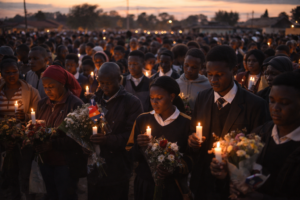
In modern South Africa, on June 16, they celebrate Youth Day. There are no fireworks on this day. There is silence, songs, and tears. Schools organize their pupils to recall the people who were once at their place, young, hopeful, and defenseless. They go to the memorials. They recollect names and stories in order to make sure that memory does not turn into history. Year after year, the same truth echoes quietly:
Liberty became possible due to the resistance of youths.
Soweto uprising teaches Africa that revolution may start even from the body of a child. When there are no doors left for the strong to close, it is the children that can tear down the wall, paving the way for future generations to follow.
Why This Story Still Matters
Most African children continue growing up in environments where there is no learning material in the classroom, teachers work without any help, and the system is unable to cultivate their aspirations. The case of Soweto tells them that their voices can count even if they shake because truth will always survive against oppression.
Nations are also reminded that memory offers them greater protection than silence. When nations remember their past, they avoid making the same mistakes of the past again. On the other hand, when they forget their pasts, they risk repeating history once more. It should be noted that the young children from Soweto never intended to die as heroes. However, they became such because history made them heroes when they stood tall and said what needed to be said.





Pingback: Steve Biko: The Fearless Mind That Awakened a Nation - Real African Diary