










































































Introduction
African fabrics serve more purposes than being coverings for the body; they symbolize one’s identity, past, social standing, and place within the community. Patterns and colors used across the continent have been used in a unique way to pass on cultural and traditional messages for generations. For Africans, fabric tells stories.
Three of the most well-known textiles in Africa include Kente, Ankara, and Shweshwe. Through their vibrant patterns, their colors have reached the entire world, signifying African creativity and uniqueness. However, there is much more to these pieces of fabric than their aesthetic qualities; each piece is embedded with meanings that are deeply rooted in history, culture, trade, and heritage.
One must delve into the story of each fabric to comprehend its value. These fabrics transcend mere materials; they are an archive of African culture.
A Tapestry of Identity and Heritage
In Africa, cloth transcends its function as a decorative element since it represents language with an array of meanings behind it. In terms of design, color, and motifs used, these cloths tend to convey information regarding identity, status, culture, religion, and so on. For instance, there is Kente from Ghana, which features striking geometric patterns. Ankara and Shweshwe from South Africa, both featuring colorful swirling designs and elaborate motifs that hold significance within their respective cultures.
In addition to serving as clothing material, these pieces of fabric represent much more than just clothes. They symbolize culture, heritage, tradition, and collective history. For example, such fabrics are usually worn during major events, weddings, ceremonies, and festivals that celebrate cultural heritage and identity.
Kente: The Cloth of Royalty
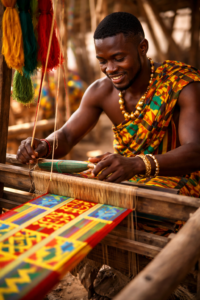
Kente is one of Africa’s best-known and most admired fabrics. It hails from the kingdom of Ashanti which is today part of Ghana and consists of hand-woven narrow strips made from silk and cotton stitched together to form elaborate patterns. Kente goes beyond just being a fabric since it also serves as a language. The colors of gold indicate wealth and royalty while green is used to depict growth and rejuvenation. Blue denotes harmony while black depicts spiritual strength and maturity.
Traditionally, Kente was used by kings and queens as well as in various important ceremonies. In many cases, its elaborate design carried important messages concerning leadership, wisdom, unity, and community. In contemporary society, people wear Kente across the world as a symbol of African identity, achievement, and cultural pride. They proudly showcase it at graduations, weddings, festivals, and other important celebrations, honoring both its rich heritage and enduring significance.
Ankara: Africa’s Canvas of Modern Expression
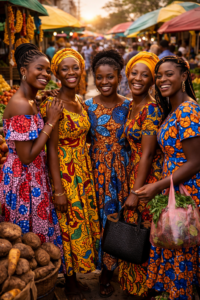
The distinctive features of Ankara are its brilliant colors, captivating patterns, and interesting designs. Despite being created by the Dutch wax prints in the 19th century, African people adapted this cloth to make it more personal and unique. Through time, Ankara turned into the medium of cultural expression and became a part of celebrations, memories, feelings, and life events. It is possible to distinguish a number of meanings that different patterns of Ankara represent. Some of them include love, joy, sadness, and others.
Ankara is not limited to one continent. It is now popular across Africa as it is used by designers to create elegant clothing and other fashionable pieces. However, what makes Ankara so special is not only its ability to decorate clothing items but its symbolic meaning as well. Patterns of Ankara often have some names and refer to proverbs, reflecting various kinds of messages including love and hate, feelings, jokes, and political ideas. This way, it is not just a fabric but also a means of communication.
Shweshwe: The Fabric of South African Tradition
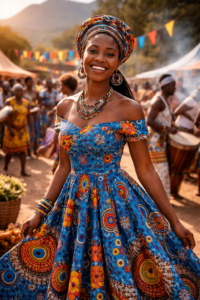
Shweshwe originated from South Africa’s Eastern Cape. It gained popularity due to its beautiful geometric designs and details, along with its indigo coloration. Despite being introduced by the Europeans in the 19th century, the Africans adopted the fabric and made it an emblem of their culture and celebrations. With time, Shweshwe found its way into many South African communities’ practices, especially those of the Xhosa, Sotho, and Tswana tribes.
Shweshwe is still celebrated today within the cultural practices of South Africans, such as weddings, initiation rituals, and other ceremonies. Designers have managed to infuse tradition into their creations by creating various modern styles out of the traditional designs. Beyond just clothing, Shweshwe carries meaning and represents the link between past and present, reflecting not only resilience and continuity but also creativity and pride.
Threads That Bind Africa Together
Despite the difference in style, historical background, and geographical location, what unites Kente, Ankara, and Shweshwe is their unique capacity to tell stories. Every fabric offers more than attractive colors and unique patterns. It carries the memories of ancestors, preserves heritage, and reflects tradition. Through its designs and symbolism, it shares these stories visually, allowing people to express and celebrate their cultural identity. Additionally, it becomes evident how diverse and unified African culture is at once. Although each fabric was born in the specific part of the continent with its own particularities and traditions, all fabrics are the representation of the creative spirit of Africans who created something unique that would last for centuries to come.
Fashion trends may change over time, but Kente, Ankara, and Shweshwe continue to showcase the richness of African culture. These iconic fabrics inspire people around the world to recognize, appreciate, and celebrate Africa’s history, creativity, and cultural heritage.
Conclusion
The beauty of Kente, Ankara, and Shweshwe goes beyond what one sees when wearing them. There is much more to these fabrics than just beauty. The designs have a way of telling stories; the colors convey messages. Their continued use proves that culture can evolve and not leave behind its origins. Currently, the Kente, Ankara, and Shweshwe are seen all over the world in fashion shows, in fashionable brands, and in daily life in Africa. However, their essence goes beyond fashioning oneself. These materials unite generations; they remind the Africans of their cultural legacy.
In the weave of these fabrics, a whole story is being told. Through them, Africa speaks to the world.



Pingback: How Local Designers Are Empowering African Women - Real African Diary