

















































Introduction
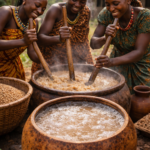
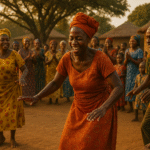
In traditional Africa, home often encompassed more than just the physical space of the family’s dwelling place. Home was ancestral land, the community that knew about the family’s past, relations who fulfilled the family’s responsibilities, and the culture which was passed down generation to generation. Even when people moved to different places, it was possible for most of them to trace their origin from the village or town where their families came from.
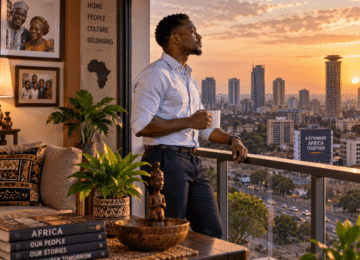
Times have changed and Africa is changing its definition of home too. Today’s Nairobi, Lagos, Accra, Johannesburg, and Kigali will produce generations that will remember their past through urban neighborhoods rather than ancestral villages. Migration, education, employment, and new family structures have brought new meanings to what it means to belong. Africans can now have more than one home. Even then, modernity has not completely replaced the old ties. In the new world, the city might offer the opportunities, but the ancestral village offers a reminder of past and culture. For some people, a rented apartment, foreign land or virtual communities can be homes.
When Home Meant the Place You Came From
For many previous generations, the concept of home had geographical significance. To many of them, it meant the area where the family came from, owned land and had relations through blood lines or otherwise within the same community. People who relocated for purposes of working or studying elsewhere were able to refer to their current cities as places they were visiting.
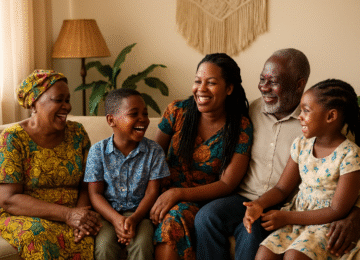
The definition of home by the older generations was tied to the concept of an extended family and the community at large. The identity of the individual was shaped by interactions and relationships in a much wider social circle. In addition to the immediate relations like parents, siblings, one could interact with aunts, uncles, cousins and neighbors. Thus, going back home involved more than just going back to the house but going back to relations, memories and the historical connections. This connection is still valid today. Urban Africans make regular trips back home especially on holidays, weddings, funeral or any other event which involves the family. Others have homes built in the places which they do not reside in order to feel a connection with their ancestral background.
The African City Is No Longer Just a Temporary Stop
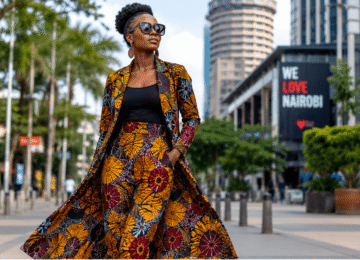
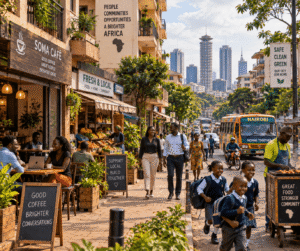
The city has taken on new meaning for young people, however. For those that were born and bred in Nairobi, they are aware of where their parents hail from but realize that it was the city that defined them. Their relationships, their schooling, their careers, and memories are all from the city. This creates a whole new dynamic in the way that someone answers a very simple question about where they come from. One could strongly feel like a member of an ethnic group but also feel just as much at home in an urban neighborhood. These two loyalties do not necessarily need to be in conflict.
There are cities in Africa which have even developed their own cultures of belonging. Urban neighborhoods, languages, music, food, and experiences create a unique community that is different from their rural family ties. A person may spend many years living in Lagos or Johannesburg without justifying their presence in the city by the fact that they work there.
Between the City and the Village
However, the shift in the meaning of home among African individuals does not involve a choice between living in the city and living in the village. The shift brings about a lifestyle that involves living simultaneously in both. An individual can spend almost all the year in an urban apartment in Nairobi, and at the same time, still consider his rural home a place to which he belongs. He/she may have his rural land and participate in family activities as well as visit the village for certain events. Yet at the same time, his daily routine, social contacts and goals will be located in the city.
This kind of situation leads to an individual considering that he has two homes. The first one is his present location, while the second one is his native place, the place where the history of his family started. In this case, the relationship between the two homes becomes especially problematic for the children growing up in the city but being brought up to stay close to the place that they only know from their visits.
When Migration Makes Home More Complicated
Migration has brought yet another element to the definition of home. Migration takes place within Africa from rural areas to urban centers and beyond to various countries. Each migration experience influences one’s understanding of home. A person moving from a village to a city and establishing a home there may end up with a completely new perspective of home. On the other hand, the migrant may leave Africa but maintain strong links to his/her family and home country. In such a case, returning home is no simple task; everything in the old home will be different just as much as the migrant him/herself.
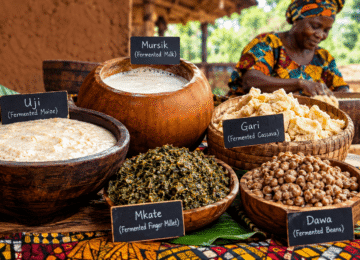
For the members of the African diaspora, the concept of home is even richer in its meaning. A person may identify him/herself with the culture of his/her parents’ country and the country he/she was born in. Culture is preserved through food, language, music and family customs and traditions. In that regard, home becomes portable and its elements are carried by the migrants in their everyday routines such as eating a particular dish or making a phone call to their families back at home.
Can a Rented House Feel Like Home?
The connection between home and family land can make life even more complex in modern times. Most young Africans spend many years in rented apartments while saving, working to advance their careers and making decisions regarding where they will be eventually settling down. Property ownership might be too ambitious for the dwellers of expensive cities. However, the rented home can also become a meaningful place. People fill apartments with furniture, raise families, entertain friends and form memories of places where they have no legal ownership. Lack of title deeds will not deprive the place of its emotional significance.
It is a crucial difference between the ideas of belonging among younger Africans and previous generations. Older generations had probably focused on constructing their house on the ancestral land of the family. Younger citizens will probably value the possibility of mobility, independence and getting better job opportunities. Home for them will not necessarily be the same as the ownership but comfort, relationships and the chance to form a life. This development does not signify that property has stopped being important for these citizens. On the contrary, owning a property is one of the most desirable goals of most people.
Technology Keeps Families Closer
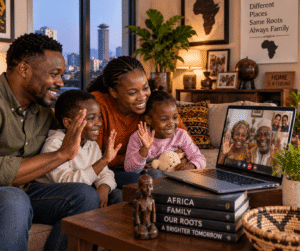
In the past, distance could make it harder to stay in touch with family members and communities. However, today mobile technology and digital platforms have transformed this experience. One can call their relatives who live in another town every day and even have video calls with grandparents who are distant. Of course, technology is not a substitute for physical presence. Yet, it enables relatives to keep their bonds despite distance. They can share information instantly and take part in family gatherings from afar. Social media groups have also helped create spaces for keeping in touch with extended families and communities.
These new forms of relationship have become yet another element of the concept of home. People can be living alone in one city but be permanently connected to their families through social media. Physical distance does not mean isolation any longer. For young Africans, particularly, it becomes a space that is shared by family members in a WhatsApp group as well as those who wait for them in villages far away.
Building New Definitions of Belonging
Changing perceptions of home mirror broader shifts within African societies. Urbanization, migration, education, and technological innovations provide people with greater opportunities to establish themselves away from the territories in which their families originated. In such a way, identities have become less rigid and more complex. For some people, home is still associated with ancestral lands, while for others, it is the city in which they were born or raised and the apartment where they first experienced independence. Others find a home in social interactions instead of geographically determined territories, and some even accumulate several concepts of a home during their lifetime.
However, these differences should not be interpreted as a mere confrontation between tradition and modernity; African societies have always been adaptive to movement and changes. What is happening right now is merely a new stage of development. The definition of home keeps on evolving because the life of Africans keeps evolving as well. New cities emerge, families are moving through different countries, and generations develop different connections to their homelands.
Conclusion
In African culture, home was not simply a physical building. It evoked ideas of family, community, sense of belonging, and connection with the land. These concepts are still valid today, but changes brought by urbanization and migration complicate the concept. An African person may find home in several different places. The village may symbolize the heritage and tradition, the city – present-day life, and some other place outside Africa may become home through opportunities and new experiences. The rented home may carry with it memories of many years, while the voice of a loved one on the telephone may instantly connect the person with another place.
Thus, the definition of home has changed significantly, but not disappeared completely. Africans continue to construct their idea of home based on their real-life experiences. More and more often home becomes not just a place, but an idea that travels with a person throughout his life.