




























































Introduction
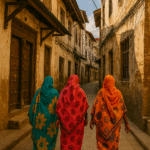
From the high-rise estates of Nairobi and Lagos to the quiet village yards of Bamenda and Mzimba, family life in Africa has changed. Modern parenting is shaped by the soft glow of the smartphone screen as much as by the steady wisdom of its elders. The continent stands at an interesting crossroad where tradition and technology are not rivals but dancing partners, guiding each other to a new form of parenthood: modern African parenting.
In many homes, children might spend the morning reciting ancestral clan names with their grandmother and then spend the afternoon learning coding tutorials from YouTube. A baby might be sung to sleep with a lullaby passed down through generations yet is rocked with tips on how to take care of the baby checked from an app. African parenting has always been adaptive, resourceful, and community-centered, and in this day and age, it continues to transform with grace, creativity, and a deep commitment to heritage.
The Enduring Power of Community
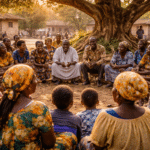
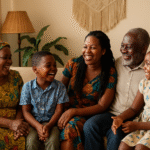
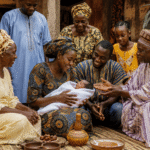
The roots of that conviction run deep in African culture, and for centuries, “a child belonged to the community.” In many parts of Africa, that is still beautifully true. A child’s network may include neighbors, church members, or trusted family friends in addition to relatives. What’s different is the form community takes today.
Where earlier elders would sit under the mango tree or around the fire in the evening and advise, today they would do this on WhatsApp voice notes, with encouragement and warning being their message in equal measure. Advice runs through the family group chats with spirited debates, emojis, and sometimes a gentle disapproval punctuated by long paragraphs typed slowly but with purpose. A cousin studying abroad could join the family meeting on video call, weighing in on discussions about how to guide a teenager or settle an argument within the family.
Community has not disappeared. It has simply found new gathering spaces.
Raising Children Between Languages
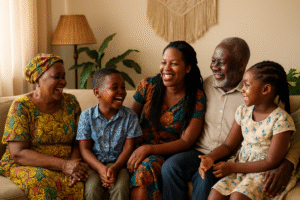
Language has always been a carrier of culture. Yet modern African parents are faced with the challenge of preserving mother-tongue languages in environments where English, French, or Portuguese dominate classrooms, cartoons, and the internet. Some parents insist on speaking only vernacular at home, while others weave both languages together in daily conversation. A sentence begun in Kikuyu may end in English; a Yoruba proverb may explain a physics lesson; a Shona song might soothe a crying toddler after school.
The child grows bilingual in heart and mind, living in two worlds effortlessly. Still, the intention should stay consistent: to ensure the child knows where they come from, even as they learn to navigate global spaces.
Technology in the Heart of the African Home
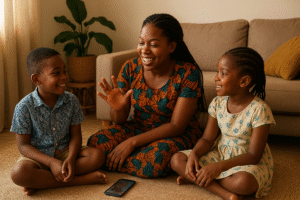
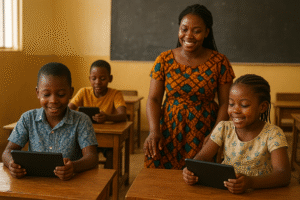
The presence of technology does not mean the absence of culture. The African parent today is a creative curator. The mother plays cartoons in the morning but tells earthly folktales before bed. The father allows video games but insists on chores, greetings, and cultural ceremonies. Where once a child’s curiosity was answered only by the knowledge of those around them, now Google stands beside the grandmother; not to replace her, but to supplement her.
Technology teaches African spirituality, dance, language, and history to children. YouTube hosts tutorials on African drumming; TikTok spreads food heritage rituals; Spotify brings ancient praise songs into homes where people no longer play traditional instruments. Children do continue to inherit African identity; it just traverses new channels of transmission.
Redefining Discipline and Emotional Support
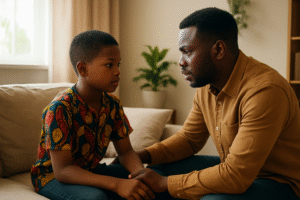
Traditional African parenting stressed respect, obedience, and communal responsibility. However, a shift has taken place in what discipline means to contemporary parents. The change is subtle, yet formidable. Instead of relying on fear or authority alone, many parents nowadays combine firmness with emotional presence. They kneel and speak with their children, enquire how they feel, encourage them to give their views. Yet still insist that respect and accountability be maintained.
The goals remain the same: growing strong, respectful, resilient African children. The new methods include emotional intelligence, affirmation, and collaborative communication. It is not softness; it is intentional guidance.
A New Vision of Motherhood and Fatherhood
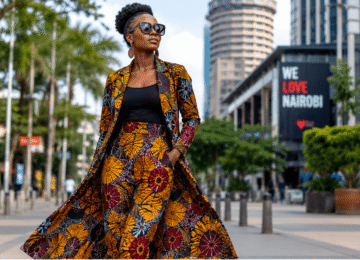
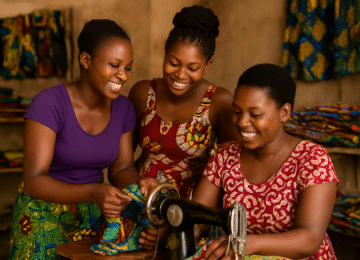
The image of parenting in Africa is expanding in remarkable ways. Mothers are no longer confined to roles in the home but run companies, write books, manage farms, host talk shows, practice medicine, and build digital businesses. Fathers step more fully into nurturing roles: cooking, braiding hair, attending school meetings, comforting children, and expressing affection openly.
Modern African parenting is less about fixed roles and more about shared humanity inside the home.
Conclusion
The story of parenting in today’s Africa is one of continuity and innovation. The drumbeat of heritage still echoes in our homes, even as smartphones light the faces of our children. We are raising a generation that can greet elders properly, speak their mother tongue proudly, analyze global issues confidently, and dream expansively.
Modern African parenting is not a break from the past. It is the evolution of it. Deeply rooted, boldly rising.



Hey there! This is kind of off topic but I need some guidance from an established blog. Is it very hard to set up your own blog? I’m not very techincal but I can figure things out pretty quick. I’m thinking about making my own but I’m not sure where to begin. Do you have any points or suggestions? Appreciate it
Sure. Kindly hit us on realafricadiary.com
We’ll get back to you as soon as possible